WHY MOST PEOPLE ARE NOT FREE: Freedom vs. Slavery

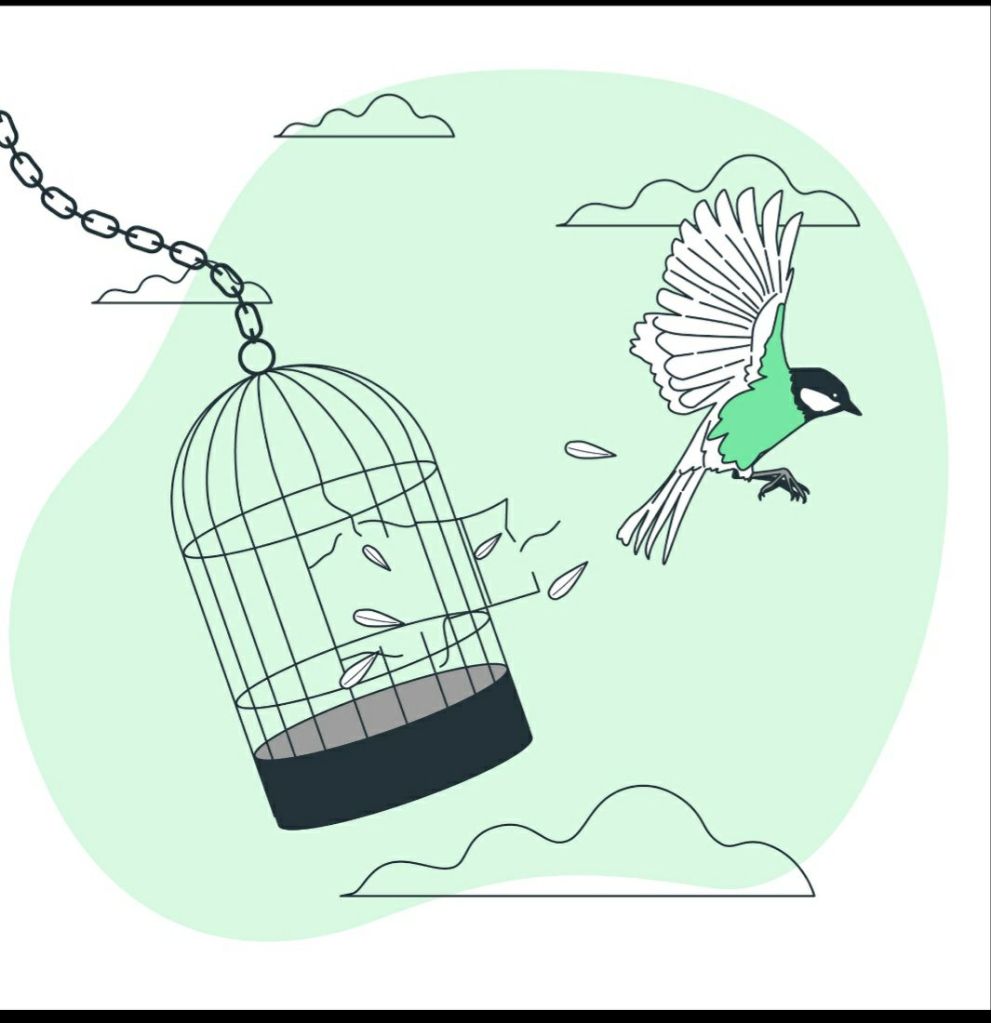
Are you free, or are you like some, free but not free? Image: Freepik

All I want is to be free!

Have you ever heard someone use this phrase? I certainly have, and I have said it myself. Many people, from different generations, have expressed this desire. We all want to be free from something.

I remember craving freedom from my parents’ protective hands while growing up. When I finally got it, I realized I was still not free. Eventually, after enjoying the freedom for a while, I began to crave that restriction again because I realized that the more I did what I wanted, the more I lost myself.

The question I have for everyone is, “Is anyone truly free, and why are most people not free?”

This write-up will shed more light on this issue and elaborate on why we should not always crave freedom. It will also discuss when it is best to fight for freedom.

WHAT IS FREEDOM?

Freedom is a crucial concept in this discussion, so it is important to define it.

It can be simply defined as the power or right to act, speak, or think without external constraints, coercion, or interference.

John Stuart Mill, in his work “On Liberty” (1859), defines freedom primarily in terms of individual liberty. Note the term “individual liberty,” as we will reference it later.

WHAT IS SLAVERY?

Now that we have defined freedom, it is only right to define slavery.

According to historian Stanley L. Engerman, slavery is the control over a person’s life, liberty, and fortune by another and the use of this control to benefit the controlling party.

In this context, Erich Fromm’s definition in his book “Escape from Freedom” might explain this better. He defines slavery as “the condition in which an individual, driven by societal pressures or internalized norms, unconsciously adopts behaviors and beliefs that restrict their own freedom and authenticity.”

Having defined these concepts, let’s discuss why most people are not free. Sometimes in life, we fight for what we don’t understand. We fight to be on our own, to be independent, and while there’s nothing wrong with being free and independent, the problem arises when we achieve that freedom.

PURPOSE, VISION, AND DISCIPLINE

Anyone who has succeeded in any endeavor always has these concepts clearly defined:

Purpose: The reason why a person was born.

Vision: Revelations of how this purpose will play out, seeing beyond what your eyes can see.

Discipline: Imposed restrictions and constraints for the sole purpose of achieving a goal.

We all know the saying, “When purpose is not defined, abuse is inevitable.” I have never believed anything more than this. Experience, they say, is the best teacher. While defining freedom, important words like “right to act,” “right to speak,” and “individual liberty” were used. These are beautiful and powerful words, but if purpose and vision are not known and defined, they can become problematic rather than a solution.
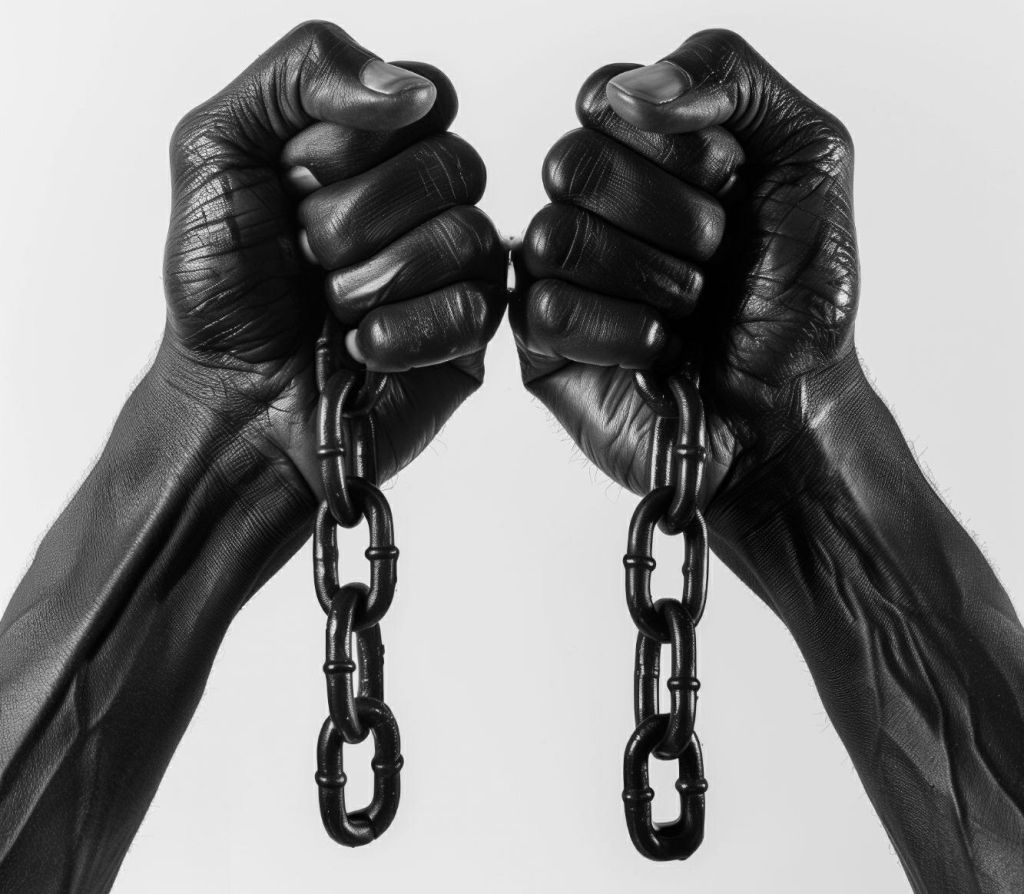
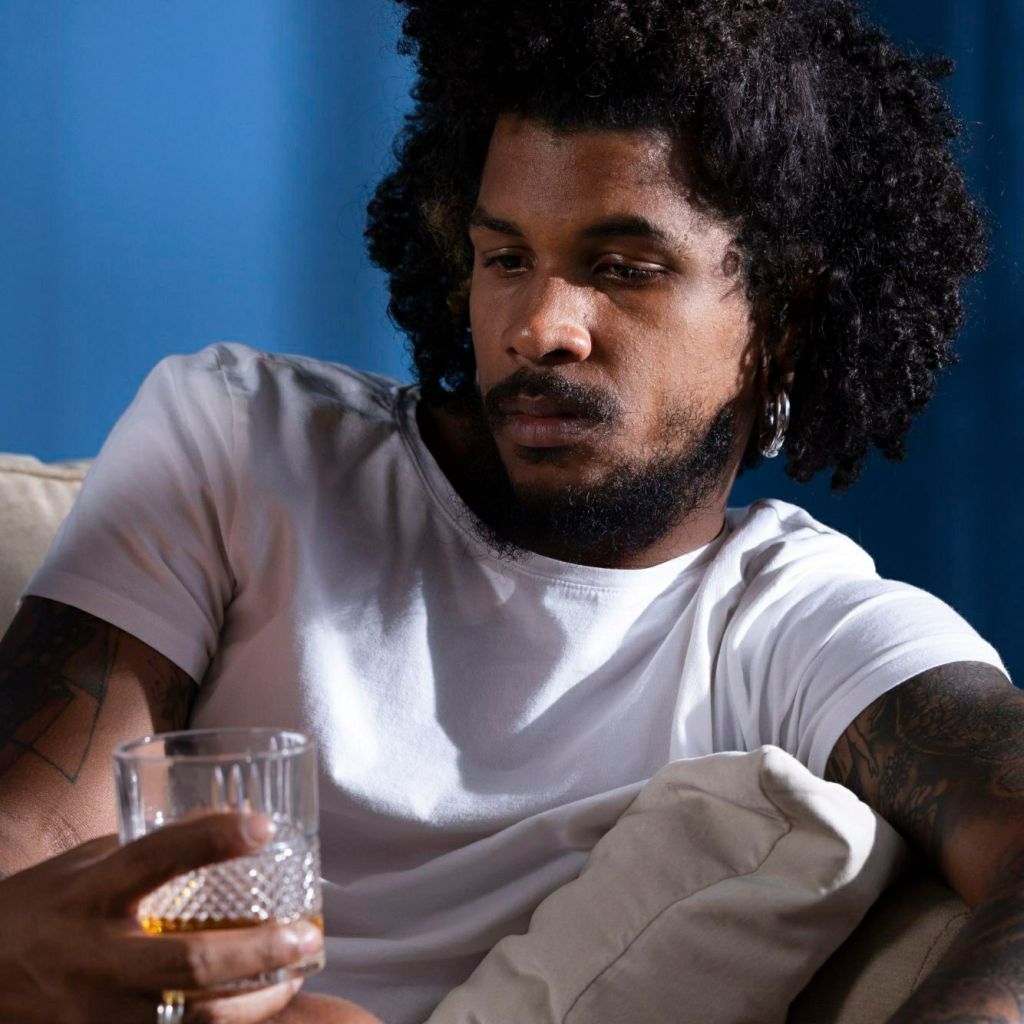
Be careful when you crave for freedom, it can also destroy. Image: Freepik

Discipline is a simple word but very difficult to practice. I have realized that the only way discipline can be easy is if one has a defined purpose, vision, and is working towards that. If you are living for today and following the crowd, discipline will be an impossible virtue to cultivate.

Dr. Myles Munroe, in his book “The Principles and Power of Vision,” said that a clear vision when figured out defines literally every aspect of your life when figured out.

THE LINE BETWEEN FREEDOM AND SLAVERY

I had a detailed conversation with one of my mentors some months ago. I asked him if he would dictate his children’s career choices or let them decide. His answer blew me away.

He said that we pay too much attention to our kids’ careers and, in doing so, most parents neglect to build the most important foundation in their children’s lives. He is not yet concerned about his children’s careers, as they are under 12, but he is building the foundation by teaching them about four important things: fear of God, values, morals, and discipline.

The truth is, the line between freedom and slavery is thin, very slim. Most times, people think they are free, not knowing they are slaves. They might think they are free physically – their parents, guidance, mentors, and disciplinarians – but end up being slaves to their souls – various addictions, substances, pornography, masturbation, and the rest of it. I call it, being healthy physically but sick in the soul.

I understand the need to explore life, but without a strong foundation, there is a high probability of enslaving yourself to what doesn’t matter in your quest for freedom.
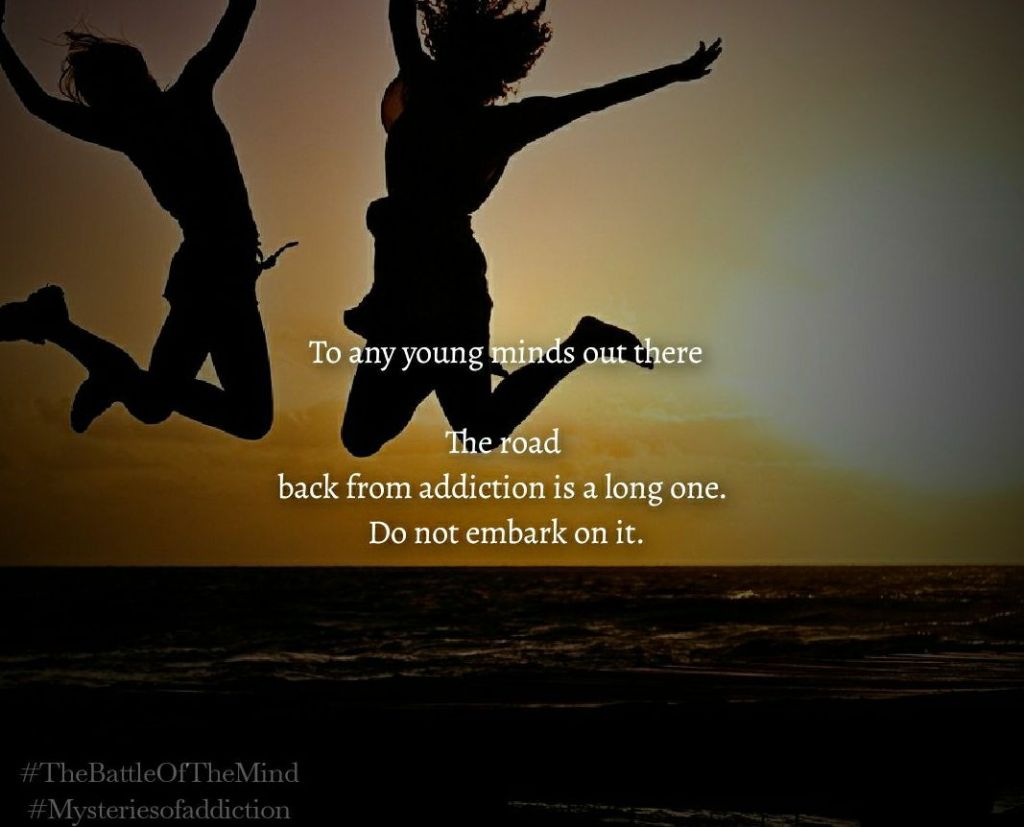
Many never made it back, why not just stay away from it. Image: Obi Smile

CONCLUSION

Freedom with little or no discipline is dangerous. If you are not disciplined enough, if your foundation is not strongly rooted in values, morals and principles, do not fight for freedom. What you think will set you free can damage you.

There is a whole life ahead of you; do not damage it for a few minutes of pleasure. The road back from addiction is a long one, and I personally advise you not to embark on it.


WHAT YOU MUST KNOW IF YOU CRAVE FOR GROWTH: The come-at-able well vs Inaccessible well.

Where do you draw what you feed your mind and spirit from? Image: Alamy.com

Growth is the process through which a person increases his or her spiritual, emotional, cognitive, and skill capacities via learning, experiences, and introspection. In order to do this, one must actively seek out and take on new challenges, develop new skills, and nurture character traits that lead to personal growth and fulfillment in general.

At times, we witness individuals who yearn for development in various spheres of their lives, such as spiritual, economical, emotional, etc., but are either too fearful or too indolent to do the necessary effort. We can all see from the definition above that in order for something to grow, it has to be fed. The question then becomes, what do we feed on and where do we get these things from? 

This write up is to bring to the notice of the public:

  • The Wells of life
  • Contents of these wells and how to fetch what is trapped in these wells.
  • Major makeup of these wells.
  • How to access these wells. 

THE WELLS OF LIFE 

There are two major Wells of life (sources/reservoir of knowledge) humans draw from should they want to invest in their growth. They include:

  1. Come-at-able well
  2. Inaccessible well.

COME -AT-ABLE WELL.

Just like the name implies, this source is easily accessible by all. I call this reservoir a limited one because resources drawn from this source are ephemeral. Only things that can satisfy our physical being can be found in this well, things that we can only invest in our physical body, things like pleasures, lust, fantasy, ephemeral desires, etc. 

People that live their lives only chasing after physical desires and how to satisfy them will end up only exploring this well and knowing nothing or a little of the other well, they are known as the self-centered ones. 

INACCESSIBLE WELL. 

It is inaccessible by all because it goes beyond the physical, only the intentional minds draw from this reservoir. 

Resources dawn from this well can not be exhausted this makes is an unlimited well, 

anything that has to do with this well goes beyond what will satisfy the physical. It might interest you to know that some people can live all their days on earth without exploring the depth of this well, not even up to 10%. Anytime you hear these words “there is more to life other than what we can see” be rest assured that the speaker is referring to the invisible well.

The major source that makes up the invisible reservoir. 

This reservoir can be divided into two 

  • Soul dept reservoir (the mind)
  • Spirit dept reservoir

Man as a being was never created to exist in the physical only, dwelling in that realm adds little or nothing to who “we are” and who we desire to be,so whenever the physical abilities are suspended – due to its limited nature – the next automatic resort for man is one of this reservoir. 

One’s emotions, intellectual abilities and spiritual abilities are hidden in this invisible reservoir. While the first two are trapped in our Soul dept reservoir, the last is trapped in our Spirit dept reservoir. Kenneth E. Hagin defined man as a spirit that has a soul and lives in a body, this definition I believe clarifies this.

For one to access this reservoir, the Come-at-able reservoir – which in most cases are noise and distraction – must be suspended, if not what will be fetched will have little or no value with little or no clarity. Have you wondered why it is difficult for one to study or pray effectively in the midst of “noise”? It is because there is a clash between the two reservoirs which distracts the mind and the spirit. 

It is good to note at this point that these reservoirs are hidden in every man, no one is created without them. So, if one desires to grow, if one desires and craves for change, if we need to fetch what will improve our lives we must access these wells. 

When people are not aware of the inaccessible well, they tend to live like they don’t matter or be too violent. Image: iStock

HOW TO ACCESS THESE RESERVOIR

One will ask, how can we access these reservoirs? There are four different ways one can access these reservoirs – both the visible and invisible reservoir, they include

  • What we see and hear. 
  • Studies
  • Praying
  • Divine access. 

One will Wonder why we need to know how to access the visible reservoir since we are to suspend its activities if “we are to grow”. Well, for you to learn how to shut something out, you must first learn how access is granted in the first place and also, it is also important to note that at some point in our life, we need to access the visible reservoir – that will be a discussion for another day. 

What we see and hear. 

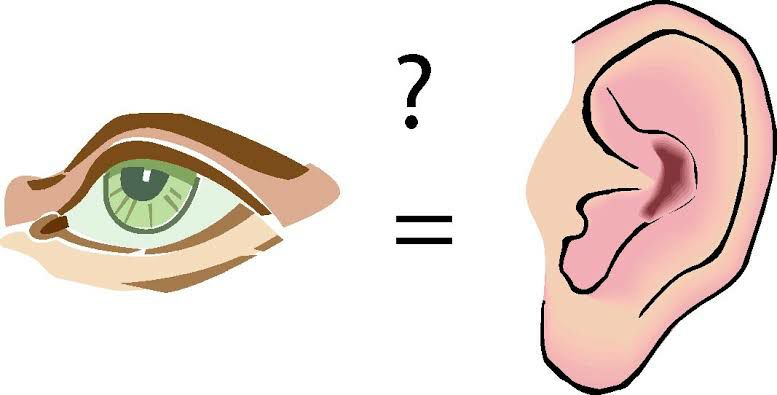
Sometime ago, a wise woman taught me about the gate to a man’s being, among what she listed, the eyes and the ears -what we see and hear – stood out. What we hear and what we see has a strong ability in making or destroying is. The question then is, what do you choose to see, what do you listen to? 

If only we know how what we see and hear affects every aspect of our life. Image: Praise library

Studies

This could be one’s Bible or any other material that can increase one’s knowledge about a concept, a topic or a being. 

Praying

Prayer can be simply defined as an act of communicating with a supreme being, it is a spiritual practice in which an individual seeks to connect with, worship, or seek assistance from a higher power, deity, or the divine. 

Divine access 

While the first 3 means is based on our abilities, this means has nothing to do with our ability but based on supernatural permission, but this permission can only be granted to the extent of our consistent investment to other means. 

What we see and hear, studying, praying and other spiritual activities does not launch us into the realms of ideas or the spirit realm, it can only knock at the devine door, only when access is granted can we access the invisible well. This entails that the other means must not be neglected at all if we are to access the invisible realm because it is to he that knocks that the door will be opened to. 

Have you wondered why you get your ideas in weird places, it flies in while you were using the restroom, while you were in the kitchen, while driving and all that? That’s because that’s when the access to your request is granted. 

Conclusion

We are to take note of these reservoirs and how access is granted, so we would know how to avoid those to be avoided and to access those to be accessed. 

WHY SOME KIDS PERFORM BETTER THAN OTHERS ACADEMICALLY: Self-confidence vs intelligent quotient

As long as you got brain, you can do great things. Image: Freepik.

I will like to kick start this writeup by stating that nobody was created to be a failure, everybody was born with the ability to be great. Dr. Benjamin Carson in one of his interviews stated that anybody can do great things as long as they have brains. 

TABULA RASA 

This is the state of the mind of every child at birth, a clean slate, what contributes to what they believe – which drives or limits them – is what their family and society feeds them, this plays a great role to their academic performance. 

SELF-CONFIDENCE 

In their definition, USF.EDU defined Self-confidence as an attitude about your skills and abilities. They went ahead to add that it also includes knowing your strength and weakness well, and having a positive view of yourself. I chose this definition because of the emphasis they laid on “positive view of yourself.” 

It all boils down to what an individual says to him/herself, to what they believe they have and not what people say – but this does not mean that peoples opinion holds no water, because it plays a role to how a young minds view themselves. 

INTELLIGENCE QUOTIENT.

According to very well mind, I.Q is a measure of your ability to reason and solve problems. While some are believed to have a low I.Q, some an average I.Q and others a genius I.Q. 

In middle school and high school, most students barely know what they want to be and the direction they are headed, most of their beliefs and desires are fueled by whats they hear and what they see in their surroundings. Which is why we at the BATTLE OF THE MIND believes that at this stage, there is a greater correlation between Self-confidence and achievement than there is between intelligence quotient and achievement. 

Meaning that Self-confidence speaks louder that I.Q at this level of life, what people offer at this level is what they believe they have and not what they actually posses. If a child don’t know what he/she is capable of or if they are not taught and helped to figure out what they have buried deep inside, they will end up believing that their well of knowledge is shallow thereby leading them to delivering just a little of what they have. 

DR. BENJAMIN CARSON.

Lets take the story of Dr. Benjamin Carson for example. He moved from the class dummy to the most brilliant student in his class, he did not achieve this because he has a genius I.Q, he did that because his mum was able to help him figure out his potentials, by studying and performing better in school he was able to build his Self-confidence, which motivated him to hunger for more knowledge which resulted to more academic achievement. If his mum did not take all the necessary measures to ensure that he figures out what he has trapped inside, we may not have heard about a great sojourn like Ben Carson. 

Low self-esteem is the first enemy a young mind should be protected from. Image: Freepik

WHAT LIMITS CHILDREN AT THIS STAGE?

At this stage (high shcool to be precise) children are batling not only with themselves but with their family and with the pressure from the society. These are list of what they battle with:

  • Abuse (physical or emotional)
  • Low self-esteem 
  • Bully
  • Rejection
  • Negative comparison 
  • Lack of affirmation from parents and loved ones.
  • Domestic violence 
  • Poverty (financial and mindset)

All these and many more takes a toll on their mindset, to he that wins the battle, success is assured but to him that gets trapped, the reverse becomes the case. 

THE ROLE OF PARENTS AND GUARDIANS. 

Parents and guardians need to pay a serious attention to the wellbeing and mental capacity of their children, they need to able determine when their children/wards are being limited in any way and figure out how to get them to break free from that. In the first chapter of his book Gifted Hands, Dr.Carson narrated how his parents separation almost affected him, but was saved by his mother’s intentionality and his pastor – who played a role in forming his character. 

There are words these young minds needs to hear from their first role models – their parents. Words like:

  • You are loved
  • You are beautiful/handsome
  • You are smart
  • You are able/you can do it
  • You are powerful 
  • I/we believe in you
  • You are not alone
  • You are the best, etc.

These words may seem simple but they are weighty, they help young minds know that they are accepted and that they are not alone. 

Dear parents, other than providing finance and food, there are important roles to play in the life of your children, if you want them to be great. Image: Freepik

CONCLUSION 

If these battles of the mind are not fished out and dealt with before they proceed to college, if they should proceed to college with all these baggage and limited mentality (caged mindset) it will be a disaster not only to them but to our society at large.

The probability of them dropping out at this stage is high because they would probably be at the bottom of their class with this mentality. Take Dr. Carson for example, his mum figured out that he lacked Self-confidence and that a lot of his experience and circumstances is limiting him from being the best, she intentionally took it upon herself to see that is dealt with, and that was done before he went to college.

To all parents, teachers, siblings, relatives, neighbors etc, to any young mind around you, we all have a role to play in impacting in their lives and changing their thought process, we all have a role to play if we are to make our society a better one, and no child should be left out, every child is worth taking a chance with. 

THE BIRTH OF UNEXPECTED CHAMPIONS: How chess is changing lives in Africa.

Its all about your next move. Image: premium Colombian Knight

Before now, we used to see the game ‘’chess” as a game meant only for the rich folks, the privileged smart ones. This is because they are the ones that can afford a chess board. But recently in Africa, that seems to be changing. But before diving deep into this, let us take a look at a brief history of chess in Africa. 

BRIEF HISTORY OF CHESS IN AFRICA. 

According to Wikipedia, The board game senet preceded chess and was favored by Ancient Egyptian royalty. Chess is thought to have first made its way to Africa through shatranj. As the Muslim conquest of Persia occurred, the Muslims took and modified chatrang, adopting it as shatranj. Shatranj is recognized as the immediate predecessor to chess. While chess in Europe has received considerable more attention by chess historians, it is thought that the game made its way to Europe from the Moors of North Africa.

THE BIRTH OF GREATNESS ATTRACTS GREAT MINDS.

Recently in Africa, some beautiful souls are changing the narrative that the game chess is meant for the elites only, they are not just teaching the less privileged how to play the game, they are also crowning children in the slum kings and queens of chess, rewriting their stories, giving them new hope and direction, restoring those long faded smiles to the faces of their parents, and saving them from being a danger to the society and themselves as well.

Katwe chess academy  

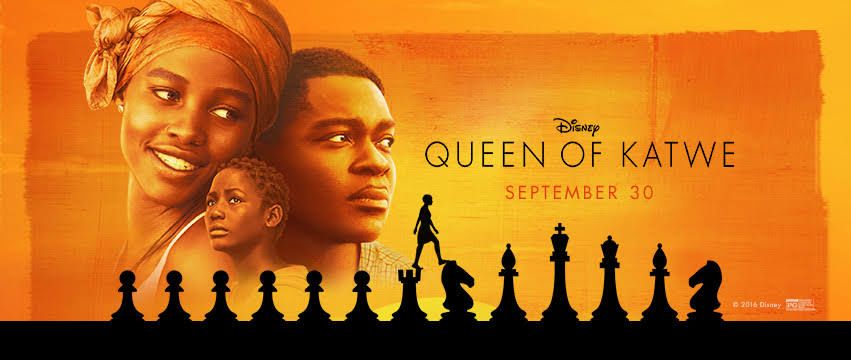
In  Uganda, we saw the first of its kind in Katwe Chess Academy. The life changing impact of this Academy and the story of Queen Pheona got the attention of Disney World, which gave birth to the award winning movie QUEEN OF KATWE.

Now, they can fly. Image: Medium

In this movie, a teacher Robert Katende changes the stories of his students, giving them a better reason to live, crowning them chess champions, and putting Katwe on the world map. That will be a story for another day, but if you are yet to see this beautiful movie, then I suggest you go check it out. Less I forget, it is a nonfiction story, in case you are a die-hard fan of nonfiction stories. 

Chess in slum Africa 

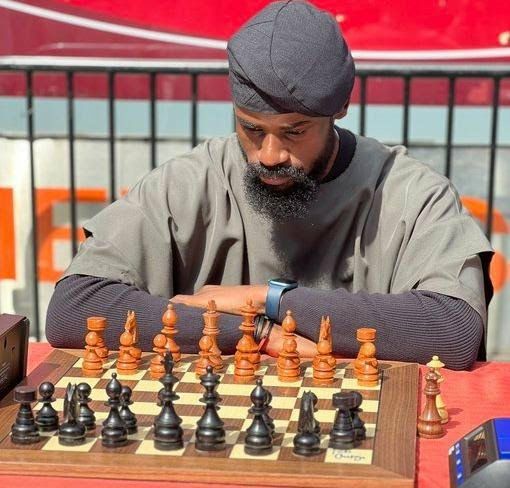
This is another organization doing great things with the game of chess in Nigeria. CHESS IN SLUM AFRICA is a nonprofit organization initiated by a chess master Tunde Onakoya in 2018 to change the stories of the less privileged children, to give them new hope and direction, to get them to see way beyond their current situations, to let them know that they also can be kings and queens, to change their mindset and save them from being a danger to the society.

These organizations have attracted many great mind, men, women and organizations with the intention of contributing to the growth and betterment of the organizations, which in turn contributes positively to the society- as at the time of writing this article, Tunde Onakoya has recently broken the Guinness World Records as the longest chess marathon. 

Kings know their next move. Image: Vanguard

THE IMPACT OF CHESS IN AFRICA. 

Building our society. 

The game chess as we all know is a game that requires lots of patience, strategies and critical thinking. This game helps build our society by changing the mindset of our children, teaching them about other aspects of life other than the physical, getting them to know about their abilities other than their physical strength, this helps them develop their mental capacity and as we all know, an engaged mind is a resourceful and powerful one, this makes them less prospects of violence. 

Family.

Family is not just a place where values and beliefs are instilled, it is also a place where they are checked and corrected. Intentional parents don’t just stop at instilling values and beliefs in their children, they go an extra mile of watching them to know when they miss it so as to correct them and get them back to (purpose) track.

But unfortunately, some children raised in the slums, rural areas, motherless babies homes, dysfunctional homes have no value and beliefs instilled in them not to talk about them being checked and corrected. 

What then is the fate of these children, those with no parents, those ones with unintentional parents, those ones from a poor background? 

  • Who tells them that they are beautifully and perfectly made?
  • Who tells them that they can be great? 
  • Who tells them that they can go beyond their limitations? 
  • Who challenges them to take up benefiting tasks? 
  • Who gets them to challenge and engage their minds? 
  • Who teaches them the right thing and discourages them from doing the wrong thing. 

Prior to the emerging of these beautiful chess organizations, there was little or no hope for children in this category, it was obvious that most of them will end up being one of those big thugs they despise or that promiscuous aunty that gave birth to numerous kids out of wedlock and don’t know how to take care of them, but now, these organizations have stepped up, not only teaching them how to play chess but also how to stand out in the society. 

HOPE FOR THE HOPELESS

There is hope for a tree that is cut down… 

This was not the reality of these less privileged children before these organizations stepped up, the fate of these innocent children were left in the hands of society, they literally learnt everything they know about life from the society and we all know that society is not the best place for one to build his/her beliefs because 90% of what they want is to satisfy themselves and take advantage of the weak. 

Take the story of Pheona from Uganda and Fawaz from Nigeria – and the rest – for example, these were kids that never knew that their story will one day change for good, but the game of chess gave them hope and opportunities to compete with their peers around the world, most of these kids have never seen the four walls of a school before they came in contact with chess, but here they are traveling round the world and motivating other kids with their story. 

CONCLUSION 

We at the battle of the mind are big on family, meaning that we believe that to make the world a better place, we must start from the root which is the family. But we are also not neglecting those in the street, those that have nowhere to call home, those that have circumstances bigger than them forced to end up in the street, those with no parent(s), guidance or mentor. 

Which is why we appreciate, celebrate and encourage the acts and good works of these brave minds and organizations standing in to be the parents and providing a good family for these children. 

We all must join hands in saving the future. Image: Freepik

Our society needs more organizations with like minds, organizations that will ensure that our young minds don’t lose their innocence and that people don’t take advantage of them because of their circumstance.  

BRENDA GOT A BABY CALLED LESSELY: The inevitable fate of most children.

For the future to be safe, we all need to intentionally take care of these young ones. Image:Freepik

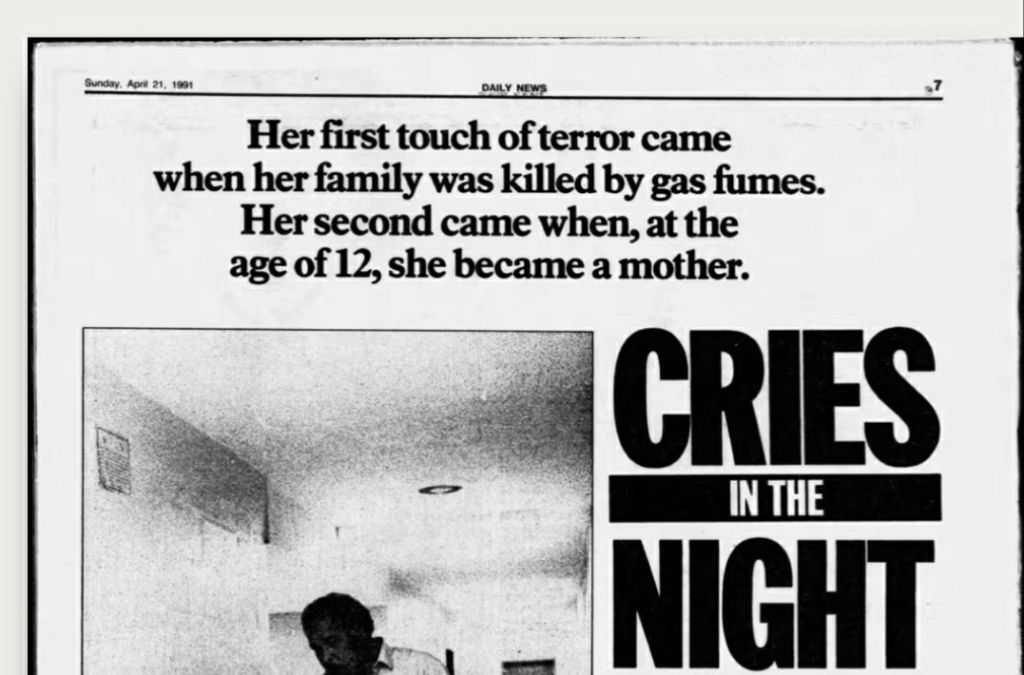
Tupac Amaru Shakur, better known by his stage name 2Pac, released a powerful and controversial song in 1991 called “Brenda got a baby.” In the intro of the song he said “I heard Brenda’s got a baby but Brenda barely got a brain (she was just 12) a big shame because she can hardly spell her name,” to which someone replied “thats not our problem, that’s up to Brenda’s family” he then went on to explain how it affects not just her family but the whole community.

This song still has relevance in today’s society. The influential song “Lessely,” which teaches almost the same message as “Breda got a baby,” but in a more sophisticated manner, was published in 2019 by young, talented British rapper David Micheal Orobosa, better known by his stage name Dave

This article will frequently make reference to these two major musical projects in order to comprehend the following: 

  • Role of parents in the life of their kids
  • Effect of love deficiency in the life of children. 
  • Pain, anger and fear and how it affects us all.
  • The fate of kids that have been through chaos. 

ROLE OF PARENTS IN THE LIFE OF THEIR KIDS. 

Families are the foundation of all structures since all individuals who comprise a structure were reared in one—a nuclear, extended, or foster family—before entering society, and these families are led by parents. 

What these kids become is partly influenced by the lifestyle that their parents lead, either directly or indirectly. This implies that anyone who accepts the role of parent is expected to do a lot.

We all know that a parent’s primary responsibility in a child’s life is to provide for them, but Dr. Benjamin Carson highlighted something else in his book “TAKE THE RISK: Learning to identify, choose and live with acceptable risk” that I believe is missing from our society: “The most important job as parents may well be to make certain our children know who they are, what they believe and where they are going,” he stated.

Who is teaching you children what to believe, you or the society? Image: Freepik

Therefore, in addition to providing for their children’s fundamental necessities, parents have a responsibility to assist in the development of a solid belief system. “The most dangerous man is not the one carrying a gun, but rather the one who has no beliefs at all,” goes the saying. If kids have no beliefs, then anyone can persuade them to do anything—including the wrong things.

Parents are crucial to the advancement of society because, if they are successful in instilling in their children the correct values, they will have addressed 80% of the issues facing our society. The big question I am addressing to everyone is, what is the fate of kids who have unintentional parents and kids who have no parents? 

EFFECTS OF LOVE DEFICIENCY IN THE LIFE OF THEIR CHILDREN.

Everybody needs love at some point in their lives—both to love and to be loved. In this context, I’m talking about unconditional love, and our families are the only ideal area to find this kind of love.

I am speaking of the kind of love that is selfless, forgives, corrects, heals, lets us make mistakes, and inspires us to do better. Love that also makes sacrifices. Every youngster needs love like this and more as they grow older. It is regrettable that not every child receives this kind of love.

When children don’t receive this kind of love, it has a variety of repercussions on them.

some of them according to WellBe includes:

  1. Attention deprivation
  2. Feeling unhappy or unmotivated
  3. Craving love and attachment 
  4. Less risk-taking 
  5. High susceptibility to neuroticism.

PAIN, ANGER AND FEAR AND HOW IT AFFECTS US ALL. 

“An unpleasant sensation, resulting from a derangement of functions, disease, or injury by violence; hurt” is how the English dictionary defines pain. Please pay attention to the phrase “injury.”

Emotional injuries are among the types of injuries that require a prolonged healing period. Healing takes time since most people are unaware that it exists, they are unable to explain it, and as a result, they will not know how to recover (you cannot break free from shackles you are unaware exist or that you are unable to explain). 

However, there are many among us who are struggling with various emotional disorders and the associated hassle. Chaos causes varied reactions in different people, but one thing always remains the same: pain.

What exposes young minds to pain?

  • Being a witness to long lasting domestic violence 
  • Physical abuse(it can also be with words) 
  • Sexual abuse
  • Feeling rejected due to parents separation,  due to divorce of parents, poor physical abilities, low I.Q, poor background, etc.
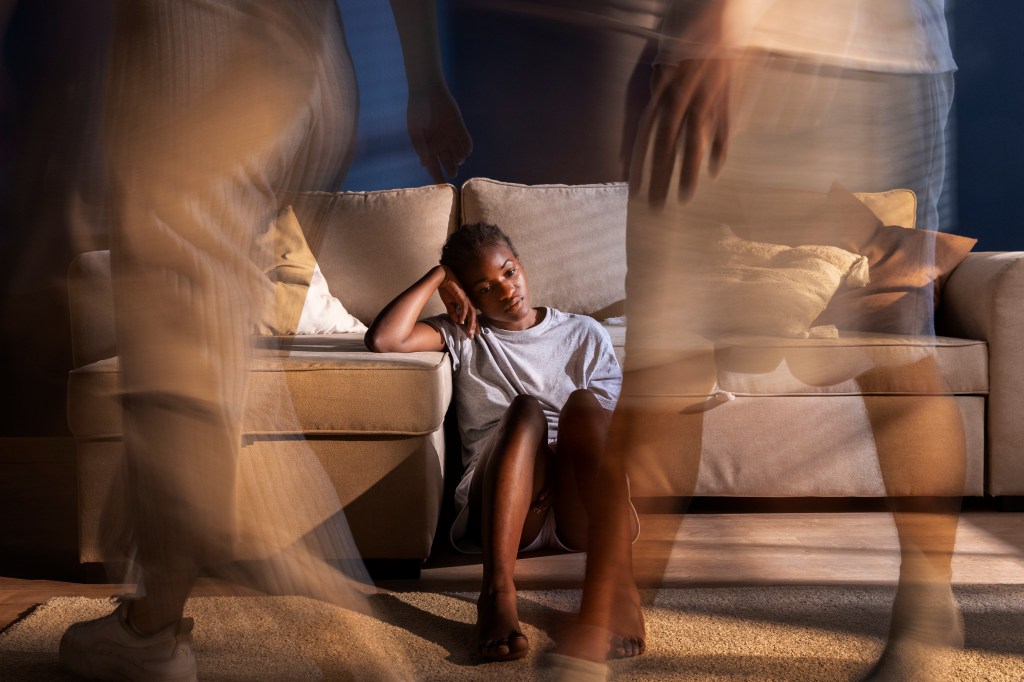
Most people while trying to escape pain end up addicted to one thing or another. Image: Freepik

These are the things that expose young minds to emotional disorder and then pain; we’ve also witnessed instances in which a youngster is exposed to all of these; Brenda is one such instance. 

THE FATE OF KIDS THAT HAVE BEEN THROUGH CHAOS.

NB: Chaos in this context means perpetual pain.

Chaos exposes one to darkness, which, if not handled with complete intentionality, will destroy the victim’s life in some manner. 

In an article published in September 2022, the writer while talking about Clarence Perry (the 21 year old young man that was the father of Brenda’s baby) said and I quote “he didn’t know any better. In the Perry household, there was no line between family love and romantic love.” 

The most definite fate for children who have experienced chaos is that a greater proportion of these defenseless individuals will become threats to themselves and the larger community as a result of the suffering they have experienced (some grow accustomed to it, while others even come to enjoy it).

Brenda, for instance, lost her parents and siblings when she was very young (she was just 6) which may have had an impact on her in ways she wasn’t aware of. She then moved in with her aunt, who wasn’t particularly intentional about raising children—not even her own—before becoming pregnant and giving birth at the age of twelve. What do you think is Brenda’s fate?

Image: Rock the bells

Thus, it’s evident that Clarence was also a victim of inadequate parenting; had he known better, he would have behaved differently. Brenda is not the only victim of dysfunctional parenting, and so are many children out there. 

In Lessely’s story, we can also see the impact of a broken family. Had Lessely received all the love she needed as a child, she would not have ended up with a man like Jason; I think he would have been a better man if he had received all the support he needed from both parents as a young man. Lessely suffered from all of those wounds and pains in the name of love; love nearly cost her her life, the life of her child, and her self-confidence.

This is a call to action for all of us—parents included—as well as for society at large to work together to provide each child that comes our way with the proper care in order to protect them and our society.

HOW TO HEAL FROM EMOTIONAL INJURIES| 5 reasons why we must not bottle it up. 

You are a perfect being, not created to be in any type of chain. Image: freepik

My twin brother called me one lovely morning; it was the first time we had spoken in a few months, so there was definitely a lot of catching up to do. Just as he was ready to end our lengthy talk, he asked, “Bro, did you hear about what happened to Samuel?” 

Samuel Tochukwu was one of our childhood friends. He was a cheery person with a remarkable flair for football on the field. However, something happened to Samuel along the way that till date we can’t define.

All we can recall was that he stopped coming around, not to play with the boys or even join us on the walk home from school. We were worried, but when we learned that it had to do with his newly discovered faith, we made the conscious choice to respect his choices, even though we secretly missed our dear friend. 

Later we learned that our dear friend dove into a deep water reservoir (known as a well in Nigeria). Before anyone realised something was wrong, the water’s taste had to change, and by the time he was pulled from the water, he was gone.

We learned later that our dear friend was struggling with some mental health challenges of which he was unable to communicate with anyone, and that when it became too much for him to handle, he made the decision to take his own life. Even now, whenever “Nwangwu Lolo” is mentioned, we still feel some kind of way.  

On this side of the globe, we don’t value sharing our issues (mental health related issues to be precise) with people until they become life-threatening or very serious.

Even if you want to, society will give you 107 reasons not to, like “You are strong,” “You can hold it up,” “Africans don’t need therapists,” “They will laugh at you if you tell them,” “They will use it against you,” etc. So, while secretly dying in silence, we bottle it up and walk about shining our teeth like everything is under control. 

Please don’t turn down help when help comes your way, sometimes you can’t be strong all by yourself. Image: Freepik

Please talk to someone, please, please. I am aware that there are a thousand and seven reasons not to, but keeping it to yourself would only harm your mental health or, in the worst case scenario, send you to an early grave.

When you pass away, the world will not stop, not even for a fraction of a second. Your photos will presumably be posted for about two weeks, and then life goes on.

WHY YOU SHOULD TALK ABOUT IT.

When you’re feeling down, here are some justifications for talking to someone; they also serve as justifications for not keeping your feelings to yourself.

1. TALKING ABOUT IT SOLVES 15% OF THE PROBLEM.

More individuals working on a problem results in quicker and better solutions, according to research. Please refrain from generally posting about your troubles online unless you want someone to take advantage of you and make you feel worse by offering unwarranted criticism. 

Instead, speak with individuals you can trust, such as a partner, family member, your religious leader, a close friend or a mentor.

You can as well visit a therapist if you don’t trust your close relatives and friends; you heard me correctly; you need to do so if you don’t have. At least you know you can trust these guys because they are experts in assisting people with issues like this and they have all taken an oath not to discuss your issues with anybody else.

It’s okay to ask for help my dear. You don’t have to be strong all by yourself. Image: Freepik

Just be sure to talk to someone;remember also, sharing your issues with those you care about will strengthen your bonds with them.

2. YOU ARE NOT A GHOST, YOU ARE A HUMAN.

Sometimes people have a tendency to forget that they are not flawless. Being a human means that mistakes will inevitably happen. You will be shocked to learn that there are thousands of people—if not more—who are currently experiencing or have experienced what you are going through.

So stop viewing yourself as a worthless individual and seek out a listening ear.

In his article “Nine Steps to hating yourself a little less,” Mark Manson advocates talking to a four-year-old about your biggest issue to get their perspective. They’ll probably beg you to leave that major problem of yours and come play with them, and the best response would be to do so because of whatever it is that you’re dealing with, being human still allows you to interact, feel empathy, and have fun with the life that has been given to you.


Even the most cautious person slips occasionally, so why should you despise yourself for it? Please don’t despise yourself or end your life because you think you deserve it for doing “that thing.” You are only human after all.

3. SOCIETY DON’T CARE.

They obviously don’t. Consider this: People ate to their fill the very day you laid a loved one to rest. They probably must have cried some hot, crocodile tears for a few minutes before smiling, dancing, and squabbling over food and drink. 

They should have observed a fast for at least a week, if not longer, to demonstrate their love and respect for the departed right? Nah! It doesn’t work like that, and some people may not love or miss the deceased, but that isn’t the norm. Simply put, life must go on no matter what.

So, just know that I will also be at your funeral, battling and yelling for a bottle of chilled milk, yeah, if you decide to kill yourself or let your troubles consume you rather than discussing your problems with others and appreciating this gift called life, I will be there to drink a bottle or two bottles of milk.

Please make sure it is served chilled; that’s how I like my drinks, thank you.

You deserve to be happy, do not sacrifice your happiness trying to satisfy people that don’t care about you. Image: Freepik

4. IT IS OKAY TO ASK FOR HELP

Some would object, “But why will mine be different when our forefathers never asked for help or required a therapist?” Who made that claim to you? ”Ogbako Umunna na Ezinaulo” (family and kin’s meeting) was my father’s therapeutic section in my tribe. I don’t know about your tribe. 

Moreover, are you certain you can endure what your ancestors endured, even if they didn’t have access to therapy? Are you certain you have equal strength to them?

Tatiana Manios in her song ”Like You” said ”You don’t need to be strong all by yourself, it is okay to ask for help” Even the strongest man in the world sometimes needs help. So kindly ask for help when you need it. Unless you want me to go up and engage in a fight that very day over a chilled bottle of milk.

5. BIG BOYS/GIRLS DO CRY

A while back, when my cousin’s sister returned from an outing, she went straight to her room, dropped her bag, and started crying. Her sobs were so loud that I had to turn down my music to hear where the strange sound was coming from. I rushed to find out what was wrong, but she didn’t say anything and continued crying. I had to say sorry for about fifteen times even though I didn’t know why she was crying. 

After a few hours, I realised it had to do with “relationship ups and downs.” I was upset because I believed she was stronger than that, and I wanted to tell her that she had let a guy get to her that bad.

However, when she sobbed those hot tears, I understood that she felt powerful, free, and empowered. I was both startled and pleased to see this new her. 

So, crying can actually help someone feel better? What do you think? I guess we all need to try this sobbing therapy.

Let it out, whichever healthy way you think is best for you, don’t just bottle it up. Image: obi smile

I am aware that Fergie in one of her songs said, “Big girls don’t cry,” but I would want to respectfully disagree. 

It doesn’t matter if you think you’re the worst sinner, the least liked person, the poorest person in the world, or a big girl, big boy, big man, or the richest man or woman in the world—your human nature still exists. Therefore, if you ever feel unhappy or under pressure, talk to someone. 

Don’t suppress your feelings, stop acting fake, stop trying to satisfy anyone other than yourself, and don’t let your feelings of guilt, pride, or other negative emotions destroy you.

I’m sure I enjoy a chilled bottle of milk, but I’d rather have you around for those special occasions than to attend your funeral.

Love and accept yourself as you are. Till then, have a great day and I’ll see you in my was post. 

WHEN KIDS DONT GET ENOUGH LOVE: How love deficiency affects human beings and the role of parenting.

Unconditional love is the first miracle anyone needs to witness. Image:freepik

I have read an intriguing article titled “My father, my mother’s love”  After reading and considering this material, I came to the conclusion that I knew just a little about the influence families have on their children’s lives.

In this sense, the term “family” refers to one’s immediate family as well as their extended family, whether or not they are related biologically. 

Children need as much love as they can get from those around them, including their parents and siblings, from the time they are toddlers until they are teenagers (0 to 19). If at any point they do not receive this love, it causes what is known as emotional deficiency, which causes them to (directly or indirectly) seek out this love for the rest of their lives.

According to Forest psychology, meeting the child’s needs just 30% of the time is sufficient to create happy, well attached children. However, this is when they get closer to adulthood, therefore it should decline from 100% to 30%. Now picture giving a teenager 30% of the 50–60% that they should receive,is this not a deficiency?

The phrase “there are no bad children, just bad parents” is used by Cuemath to simply state that no child is stated to be bad at the time of conception; rather, how they turn out is a result of the choices and decisions made by their parents. If they decide to be intentional with their child-rearing, if they nourish the children with love, they will produce love; nevertheless, if they are neglected and experience trauma and agony, they will produce ruin and hate. 

There are no bad children, just bad parents. Image: freepik

CONTRAINS OF LOVE 

The required amount of love that children feel in their family, whether from their parents/guardians or their siblings, can be limited or cut short for a variety of reasons. Some of these reasons include;

  1. DEMISE OF A LOVED ONE: Losing a loved one leaves us broken, but it also has an impact on the children, especially if they were close to the deceased. Most of the time, this plunges them into a deep pit of trauma that requires additional help and attention to recover from, and in some cases, they never do, leaving a huge hole in their hearts.
  1. PHYSICAL ABSENCE: This occurs when one or both parents are not present because of their profession or other reasons. This absence creates a void that if not filled, the children will be restless (emotionally) for the rest of their lives.
  1. EMOTIONAL ABSENCE: Some parents are very present and alive, but they are unable to make their children feel unique or provide them with reasons to do so by using words of encouragement that will strengthen their emotions. Children’s utmost desire is to spend time with their parents, but we’ve seen instances where this isn’t possible. When a man becomes very macho, it can be difficult for him to develop a strong bond with his children. This is primarily evident in men’s lives.

We have also observed situations in which kids dread their parents rather than love them; as a result, any actions they perform or instructions they follow will be motivated by fear rather than love and respect. Most of the time, children who grow up in such an environment remain terrified for the rest of their lives. It confines and silences them, leading them to believe that speaking up is unnecessary because their thoughts are unimportant or that doing so will result in reprimands or ridicule. 

Being physically absent from the life of your offspring gives them a rejection mindset, but emotional absence breaks them psychologically. Image: freepik
  1. Divorce: When parents legally divorce, this separation frequently has an adverse effect on the children, particularly if the court orders the children to live with the parent they prefer. According to historical evidence, trust problems affect more than 80% of children who are the victims of shattered homes.
  1. Abuse: This includes what the children hear, witness, and occasionally experience in the household. Some children grow up in homes where their parents verbally and physically attack one another, and occasionally they participate in this abuse.

The majority of these kids struggle for the rest of their lives while loving and trusting others. Additionally, if the divorce was granted due to domestic violence, the children are likely to follow in their parents’ footsteps because it just takes a brave person with a strong heart to overcome the trauma they have gone through.

Every child should feel safest in the home, with their parents serving as the world’s savior. However, when those who are supposed to protect them end up making their lives miserable, it has a detrimental impact on them.

According to records, many youngsters who experience abuse grow up to be bullies or frightened and reclusive.

IMPACTS OF LOVE DEFICIENCY

If we were to list every result of a lack of love, I think it would take up an entire sheet of A4 paper. However, for the purposes of this discussion, we will focus on just a few of them. 

According to WellBe, effects of lack of love includes:

  1. Attention deprivation
  2. Feeling unhappy or unmotivated
  3. Craving love and attachment 
  4. Less risk-taking 
  5. High susceptibility to neuroticism.

The effects of a lack of love include those listed above and more. As we can see, a lack of love can make children gullible, overly cautious, timid, scared, have low self-esteem, be depressed, and be desperate for affection. I consider this last characteristic to be the most dangerous because it can cause one to develop addictions and engage in a variety of destructive behaviors in search of love and acceptance. If such a child is not careful, he or she may be exploited.

Wonder why some people act the way they act, some people have been lonely all their lives, they don’t know what it feels like to be loved. Image:Brainandlife

You might find it interesting to know that many perverts—including prostitutes, sex addicts, gigolos, rapists, and other examples you can think of—grew up without experiencing love.

CONCLUSION

In order to ensure that their children or wards receive the love necessary to live a strong and healthy life, parents are urged to take parenting seriously. By doing this, we will lower the rate of hate and suffering in society, thereby improving the world, and stop the cycle of raising unhappy and disturbed children.

It’s important to keep in mind that these little ones will one day become parents, and if they aren’t loved when they’re young, there’s a good chance that they will raise unhappy kids. Prevention, as they say, is preferable to cure, so let’s focus on preventing issues in the family rather than dragging adults to multiple therapies.

HOW HUMANS LEARN: The 4 cadres of knowledge.

Knowledge they say is power. Image:freepik

When I was in school (college), I used to be envious and jealous of a girl by the name Judith Chikaodi, not for any particular reason other than the fact that she was so brilliant, smart, talked with so much courage, and that she never shied away from bringing up her mother in any conversation.

With Judith, you can’t talk to her for more than 30 minutes without hearing her say, “Like my mother will always say.” The challenging aspect of it all was that Judith and I were in the same class, church, religious organization, and morning mass choir. You can see that I heard “my mum will say” a great deal.

I was jealous of Judith because I yearned for the knowledge she possessed at the time, I wanted people to pay attention to me when I spoke, and I wanted to be around brilliant people. But something was missing from my life, and I wondered why and what it might be. I’ve recently come to a conclusion about it, and we’ll talk about it in this article.

What do these little once know?

What we know tremendously affects who we become and what shapes our life. So, the crucial question is: What do these little ones know? What do your kids know?                    While some of these young minds are well-informed and have a firm foundation for their lives, others are poorly or never built, its sad though, but that’s just the reality of life.

You don’t in any way expect these two groups of people to respond in the same manner to obstacles in life, such as peer pressure? The former will easily scale through, while the latter will succumb, and even if they do not, it will need a tremendous struggle within themselves.

What do these ones know? Image:freepik

THE FOUR CADRES OF KONWLEDGE

Four (4) significant knowledge cadres exist. These four structures serve as our primary educational resources throughout our entire life journey, from conception to death.

These cadres includes:

1. Family
2. School
3. Worship centres
4. Society

A. FAMILY: A wise woman once told me that the family is the foundation of every community, country, and kingdom. The first (basis) of this cadre of knowledge is the family. This refers to each and every member of the family, including the parents and kids.


NOTE: The term “family” in this context does not necessarily refer to one’s biological family; it can also refer to the family in which one was reared, whether it be a foster family or an extended family.
You’ll be surprised to learn the significant functions and the impact this structure has on each and every one of us; within the first 10 years of our lives, this cadre accounts for 70-80% of our knowledge, to show you how important it is.

Dr. Ben Carson in one of his books “Take the risk: Learning to identify, choose and live with acceptable risk” explained this better when he maintained that the most important job as parents is to make sure our children know who they are, what they believe and where they are going to. How can parents do this if they are absent in the life of their children?

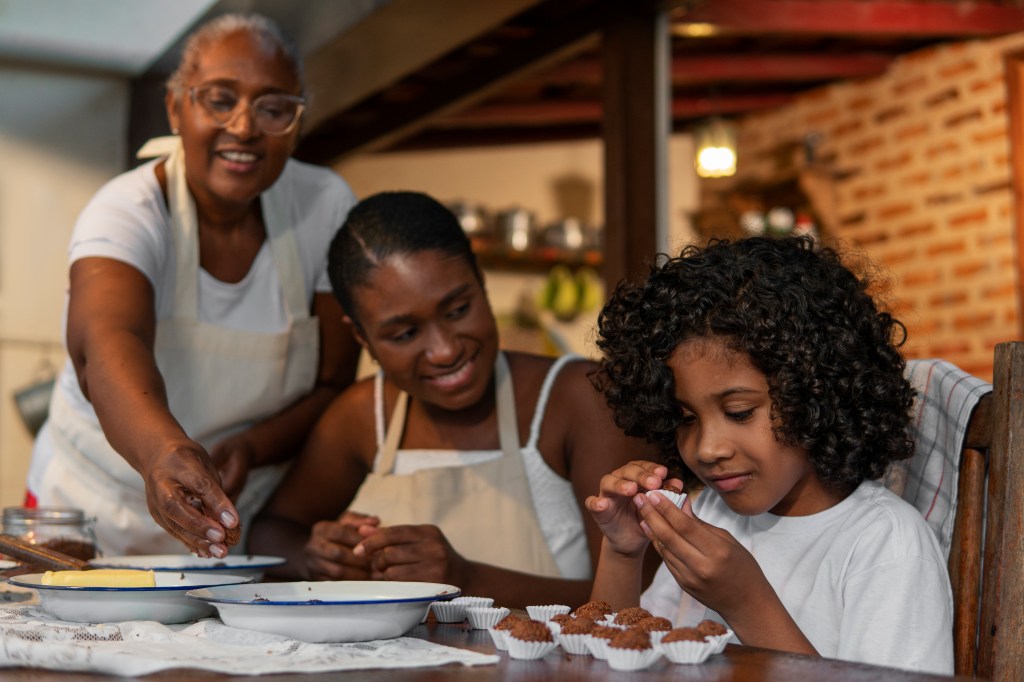
Before these little ones are exposed to society, have you built a good knowledge foundation? Image:freepik

B. SCHOOL: As we all know, life happens in stages. At some point, the lessons we acquire from our family members won’t be sufficient to get us where we need to go in life, it is then at this point that we proceed to add formal education to the background of knowledge that our family has instilled in us.
Note: What degree of success this stage achieves or how successfully the foundation was laid will determine how readily one can adapt at this cadre.


C. WORSHIP CENTRES: We learn about other facets of life at worship centres, those aspects of life that our families and schools are unable to fully instruct us in. What is taught in this structure focuses mostly on spirituality, connecting with the Supreme, morality, love, values, and the inner self of man.                                                                                                                              This group is essential because without the Creator, our comprehension of who we are is incomplete, and since there are other aspects of man than the physical since things do not only exist in the physical form, we also need to understand how the spiritual works.

D. SOCIETY: Of all of them, this is the largest. This cadre comprises clubs, societies, communities, social groups, social media, and other structures constructed outside of the home, the place of worship, the classroom, and so forth.
This cadre is the weakest of them all; it cannot be relied upon to a great amount because the majority of its members are likely only there for their own profit and don’t truly care about your well-being.                                                                                                                               Imagine how lost a child who doesn’t have a strong foundation at home or in any other safe environment will feel when they are introduced to society.

Be careful what you learn in this cadre. Image:Freepik

WHAT DO WE LEARN FROM THESE CARES
any aspect of life can be learned in any cadre, yet some cadres can be trusted with certain information, and vice versa.
We can infer from Judith’s story that children who are properly raised in a loving environment at home (with family) will grow up to be wonderful individuals with a healthy sense of self-worth and self-confidence.

I once conducted a semi-online survey with a few of my friends, asking people where they learned what they know about the following topics:

a. Love
b. Purpose
c. Money
d. Sex
e. Spirituality and
f. Mental health

It was discovered that 80% of my population acquired all of their knowledge on these subjects through society. Do you now understand why the world is in chaos?
These are incredibly crucial subjects that should only be learned from a trusted cadre and not from society, as the likelihood that they will instruct these helpless children incorrectly is very high.

This is a call to action for parents, guardians, older siblings, teachers, and spiritual leaders to assume responsibility for teaching their wards the proper mindset and approach to things before they enter society. By doing so, they will have directly and indirectly provided them with the necessary knowledge, and they will be able to determine what is right and wrong.

written by Obi Smile

Design a site like this with WordPress.com
Get started