

I have read an intriguing article titled “My father, my mother’s love” After reading and considering this material, I came to the conclusion that I knew just a little about the influence families have on their children’s lives.
In this sense, the term “family” refers to one’s immediate family as well as their extended family, whether or not they are related biologically.
Children need as much love as they can get from those around them, including their parents and siblings, from the time they are toddlers until they are teenagers (0 to 19). If at any point they do not receive this love, it causes what is known as emotional deficiency, which causes them to (directly or indirectly) seek out this love for the rest of their lives.
According to Forest psychology, meeting the child’s needs just 30% of the time is sufficient to create happy, well attached children. However, this is when they get closer to adulthood, therefore it should decline from 100% to 30%. Now picture giving a teenager 30% of the 50–60% that they should receive,is this not a deficiency?
The phrase “there are no bad children, just bad parents” is used by Cuemath to simply state that no child is stated to be bad at the time of conception; rather, how they turn out is a result of the choices and decisions made by their parents. If they decide to be intentional with their child-rearing, if they nourish the children with love, they will produce love; nevertheless, if they are neglected and experience trauma and agony, they will produce ruin and hate.
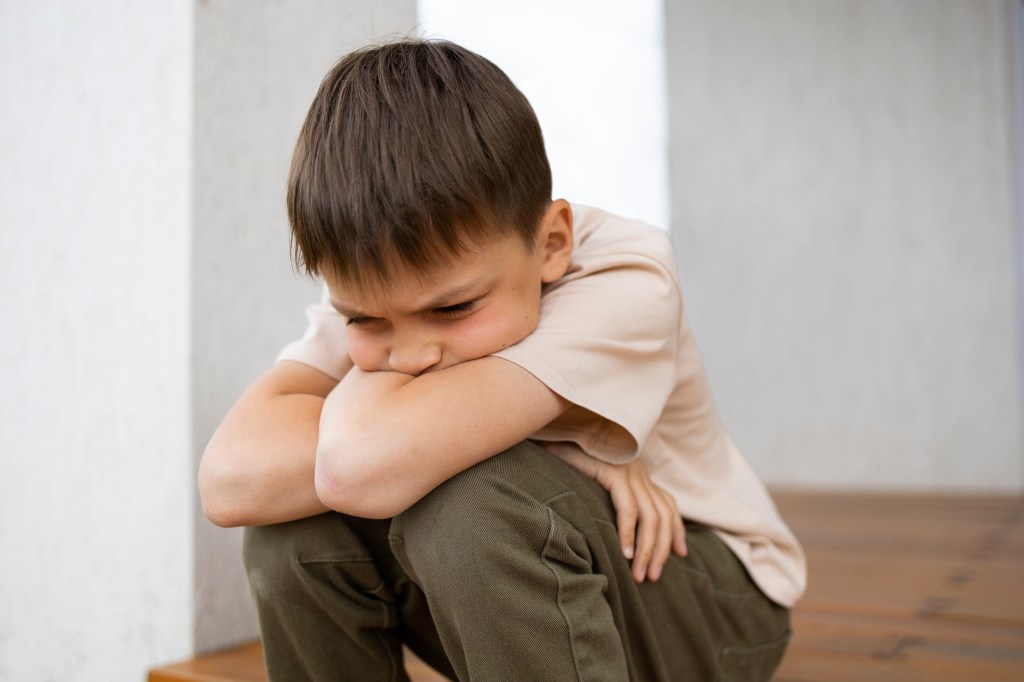
CONTRAINS OF LOVE
The required amount of love that children feel in their family, whether from their parents/guardians or their siblings, can be limited or cut short for a variety of reasons. Some of these reasons include;
- DEMISE OF A LOVED ONE: Losing a loved one leaves us broken, but it also has an impact on the children, especially if they were close to the deceased. Most of the time, this plunges them into a deep pit of trauma that requires additional help and attention to recover from, and in some cases, they never do, leaving a huge hole in their hearts.
- PHYSICAL ABSENCE: This occurs when one or both parents are not present because of their profession or other reasons. This absence creates a void that if not filled, the children will be restless (emotionally) for the rest of their lives.
- EMOTIONAL ABSENCE: Some parents are very present and alive, but they are unable to make their children feel unique or provide them with reasons to do so by using words of encouragement that will strengthen their emotions. Children’s utmost desire is to spend time with their parents, but we’ve seen instances where this isn’t possible. When a man becomes very macho, it can be difficult for him to develop a strong bond with his children. This is primarily evident in men’s lives.
We have also observed situations in which kids dread their parents rather than love them; as a result, any actions they perform or instructions they follow will be motivated by fear rather than love and respect. Most of the time, children who grow up in such an environment remain terrified for the rest of their lives. It confines and silences them, leading them to believe that speaking up is unnecessary because their thoughts are unimportant or that doing so will result in reprimands or ridicule.
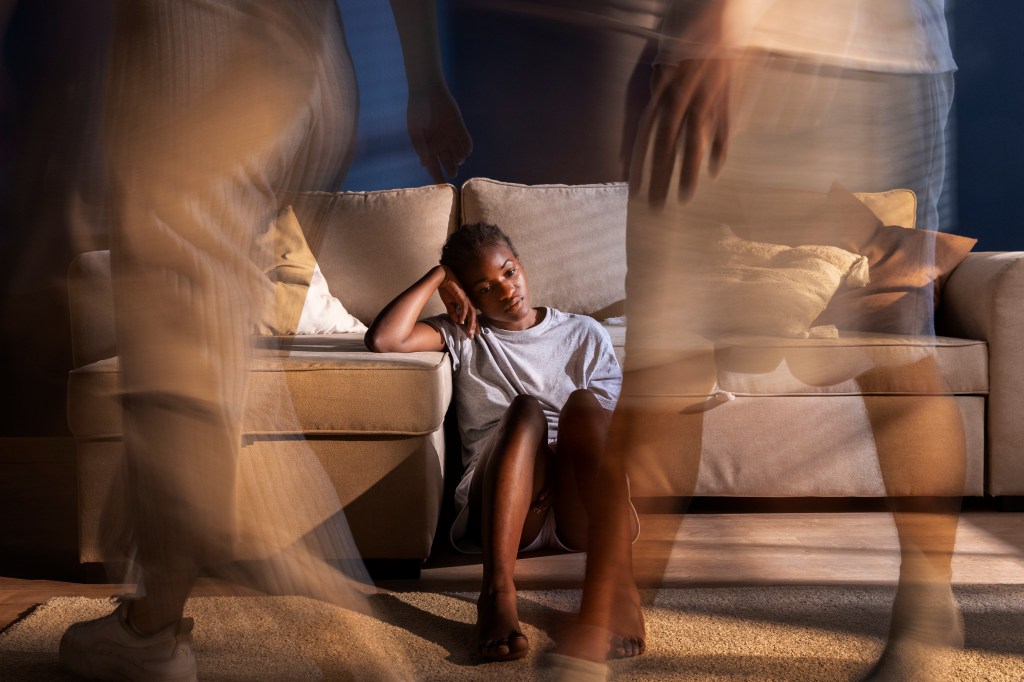
- Divorce: When parents legally divorce, this separation frequently has an adverse effect on the children, particularly if the court orders the children to live with the parent they prefer. According to historical evidence, trust problems affect more than 80% of children who are the victims of shattered homes.
- Abuse: This includes what the children hear, witness, and occasionally experience in the household. Some children grow up in homes where their parents verbally and physically attack one another, and occasionally they participate in this abuse.
The majority of these kids struggle for the rest of their lives while loving and trusting others. Additionally, if the divorce was granted due to domestic violence, the children are likely to follow in their parents’ footsteps because it just takes a brave person with a strong heart to overcome the trauma they have gone through.
Every child should feel safest in the home, with their parents serving as the world’s savior. However, when those who are supposed to protect them end up making their lives miserable, it has a detrimental impact on them.
According to records, many youngsters who experience abuse grow up to be bullies or frightened and reclusive.
IMPACTS OF LOVE DEFICIENCY
If we were to list every result of a lack of love, I think it would take up an entire sheet of A4 paper. However, for the purposes of this discussion, we will focus on just a few of them.
According to WellBe, effects of lack of love includes:
- Attention deprivation
- Feeling unhappy or unmotivated
- Craving love and attachment
- Less risk-taking
- High susceptibility to neuroticism.
The effects of a lack of love include those listed above and more. As we can see, a lack of love can make children gullible, overly cautious, timid, scared, have low self-esteem, be depressed, and be desperate for affection. I consider this last characteristic to be the most dangerous because it can cause one to develop addictions and engage in a variety of destructive behaviors in search of love and acceptance. If such a child is not careful, he or she may be exploited.

You might find it interesting to know that many perverts—including prostitutes, sex addicts, gigolos, rapists, and other examples you can think of—grew up without experiencing love.
CONCLUSION
In order to ensure that their children or wards receive the love necessary to live a strong and healthy life, parents are urged to take parenting seriously. By doing this, we will lower the rate of hate and suffering in society, thereby improving the world, and stop the cycle of raising unhappy and disturbed children.
It’s important to keep in mind that these little ones will one day become parents, and if they aren’t loved when they’re young, there’s a good chance that they will raise unhappy kids. Prevention, as they say, is preferable to cure, so let’s focus on preventing issues in the family rather than dragging adults to multiple therapies.
 The beauties of life & family