There is a thin line between religion and spirituality, and that line is called godliness. Religion teaches you about God; spirituality brings you into God. One can be very religious yet still not know God personally. Jesus Himself said, “These people honor Me with their lips, but their hearts are far from Me.” (Matthew 15:8)
Religious leaders — pastors, priests, teachers — play an important role. They introduce us to God, guide us, and teach us His ways. But they cannot reveal God to your spirit. They can show you the path, but they cannot walk it for you.
Just like Paul said, “I planted, Apollos watered, but God gave the increase.” (1 Corinthians 3:6)
This is why religious leaders should not be worshipped. They are human, limited, and capable of error. Only God reveals Himself. Only God transforms.
THE LIMITATION OF RELIGION
A person who remains at the level of religion — even when sincere — can end up becoming rigid, judgmental, extreme, or fanatical. This is because they rely on rules instead of relationships. Paul speaking in his letter to the Corinthians said:
This is why someone can attend church for years, know every doctrine, obey every rule, and still be confused and troubled seriously with questions like:
Why do the good sometimes die young?
Why do bad things happen to people who pray faithfully?
Why does life appear unfair?
This confusion happens because religion gives knowledge, but only spirituality gives understanding. Take Job for example, He was faithful and upright, but until he encountered God personally, he said:
“I had only heard about You before, but now my eyes have seen You.” (Job 42:5)
Religion heard God.
Spirituality saw Him.
WHY SPIRITUALITY MATTERS
To be godly, you need both the knowledge from religion and the intimacy from spirituality. Hearing about someone is not the same as knowing them.
The Pharisees knew scriptures better than anyone, yet Jesus said to them:
“You search the Scriptures because you think they give you eternal life. But the Scriptures point to Me, yet you refuse to come to Me.” (John 5:39–40)
Religion points.
Spirituality arrives.
Religion teaches you God’s laws.
Spirituality helps you love the God who gave those laws. Religion tells you what God said, but spirituality helps you hear His voice.
GODLINESS — THE MEETING POINT
Oxford dictionary defines godliness as the condition and quality of being godly, pious, scrupulously observant of all the teachings of one’s religion, practicing virtue and avoiding sin.
As wonderful as the definition may sound, I beg to differ because by strength shall no man prevail.” (1 Samuel 2:9)
You cannot be godly by effort alone.
You cannot be perfect by discipline alone.
You cannot be righteous by human strength. Godliness is when God helps a human become what they can never become on their own. This is why Jesus said:
One day after my meditation, I felt overwhelmed with gratitude for how deeply my family has influenced my life. I whispered, “Thank you, Jesus, for the gift of my family.”
At that moment, a clear truth settled in my heart: I realized that the greatest silent architect of every human life—after God—is the family. Society is simply the sum of its families, and a nation grows only as strong as the homes that build it.
My primary school teacher once defined family as “the smallest unit of society.” Though small, it is the foundation upon which every other structure rests. It is the child’s first environment, first teacher, and first source of influence.
In this article, we will explore:
Why family is important
What happens when family influence is missing
Whether damaged foundations can be redeemed
WHY IS FAMILY IMPORTANT?
Every beginning is tender—fragile, helpless, easily influenced, in this early softness lies the danger. Anything not carefully shaped at this stage becomeseasily deformed. The same applies to human beings.
Family is the first structure designed to protect and nurture this early vulnerability. Without proper guidance, a child—like water after heavy rain—can drift aimlessly and eventually cause harm. Good families prevent this drift because, family is the potter’s hand that gives the soul its first shape.
A good family provides:
protection
nurturing
values
emotional grounding
early identity
love
I strongly believe thay the very first miracle a newborn experiences is love—the unconditional care of a mother and the affection of those around. This sacred miracle happens only within a family.
WHAT HAPPENS WHEN FAMILY INFLUENCE IS MISSING?
This is just like saying, “what happens when the potter is absent or broken?”
Water is gentle, but if uncontrolled, it destroys. A child is tender, but without guidance, they may grow into an adult with deep behavioral, emotional, or social challenges.
It is not enough for a child to belong to a family; the family must be present, intentional, and nurturing.
Family is the first influence. Every other influence—school, worship centers, workplace, and society—flows from there. How a person responds to these later influences depends heavily on the quality of their early foundation.
A child raised without proper family influence may:
struggle to relate with others
make poor decisions
lack boundaries
battle insecurity
struggle to discover purpose
develop harmful behaviors
A faulty foundation usually leads to a shaky future.
Robert Kiyosaki’s story in Rich Dad Poor Dad is a perfect example. He had two father figures—one who could not guild him properly with respect to finance, and another who became a strong mentor in that aspect. Their contrasting influences shaped his financial mindset and life direction. His life proves how powerful family influence —or its absence—can be.
CAN THESE DAMAGES BE REDEEMED?
People often ask: If someone grew up with weak or no family influence and is now headed down the wrong path, can this be corrected?
The answer is yes—absolutely.
Such individuals can still be redirected and reshaped. I strongly believe that in most cases where a child suffers weak family influence, it is often due to ignorance. Most parents simply give what they have, and sometimes, what some parents have is not just enough as to shaping the destinies of their children.
So how can the damage be repaired?
THE ANSWER: Mentorship and role models.
Good mentors fill the gaps left by broken or absent families. Children—and even adults—naturally observe and gravitate toward people they admire. Mentors model discipline, values, mindset, and character. This is why a good mentor can become a powerful guiding force.
They help balance the equation by providing what the family could not. I believe God places such people in our lives to help us become who we are meant to be.
Kiyosaki’s “rich dad” is proof. His mentor offered him the wisdom his biological parents could not. This guidance reshaped his thinking, developed his financial intelligence, and changed the course of his life. We could also see such influence play out in the lives of the children “Chess in Slum” have touched their lives.
This shows one powerful truth:
Where family fails, mentorship can restore. Where foundations crack, guidance can rebuild.
A four-letter word that is more powerful and magical than the force of a gun — because while a gun only functions when the person holding it acts, love functions on its own.
What makes me appreciate love even more is what the Scriptures say: “God is love” (1 John 4:8). Oh, what a perfect definition! This means that love is perfect because God Himself is perfect.
Love can also be defined as the ability to appreciate and look at people in the right way — the godly way. I strongly believe that we all possess this ability. We all have the capacity to love and to appreciate others, even though life’s harsh experiences sometimes make it seem otherwise.
In this piece, we will explore:
Why love is powerful
What hinders people from expressing love
Why people resist love
The healing power of love
WHY LOVE IS POWERFUL
If there is any word that has been abused or misunderstood more than any other, it must be love. Many people no longer take it seriously because it has been twisted to mean so many things it was never meant to.
Nevertheless, love remains the most powerful word in existence — not because it sounds pleasing to the ear, but because when expressed genuinely, it brings peace, hope, and healing.
I firmly believe that love was the first miracle performed by God. For Him to create the world and grant us the freedom to live and express ourselves — that was love in action.
Love is also the first miracle we experience at birth: the unconditional care of our mothers and the affection of those around us. In return, babies — through their innocence and purity — give back hope, tenderness, and healing to the world.
As Scripture reminds us, “We love because He first loved us” (1 John 4:19).
WHAT HINDERS PEOPLE FROM EXPRESSING LOVE?
As mentioned earlier, everyone is created with the ability to love — to see others through the eyes of compassion and even sacrifice for the good of others.
So, why does it often seem like selfishness rules our world? Why do so many people struggle to give love?
There are several reasons, including:
Because they don’t have love. You can’t give what you don’t have. Without experiencing love yourself — especially divine love — it’s hard to express it.
Because they don’t know how to love. Some people have love within them but lack the understanding or maturity to express it properly.
Because they’re protecting themselves. Painful past experiences often make people build emotional walls to avoid getting hurt again.
As Jesus said, “Because iniquity shall abound, the love of many shall wax cold” (Matthew 24:12).
WHY DO PEOPLE RESIST LOVE?
While some people find it hard to express love, others fear receiving it. You might have met individuals who seem emotionally guarded — always ready to move on quickly, unwilling to commit or open up.
But why?
Most times, the answer lies in past experiences. There’s an old saying: “Once bitten, twice shy.” Many people build emotional walls to protect themselves from being vulnerable again.
And these experiences don’t always stem from romantic relationships. Betrayal by parents, relatives, or close friends can equally make someone fearful of love — a condition known as philophobia (the fear of love).
According to the Cleveland Clinic, some common causes of philophobia include:
Family history: Witnessing a loved one struggle with phobias or anxiety can make someone more likely to develop similar fears.
Genetics: Research suggests certain genetic factors make people more prone to anxiety disorders and phobias.
Other phobias: People who fear love may also fear commitment (gamophobia), rejection, or abandonment.
From this, it’s safe to conclude that philophobia is more nurtured than natural — often a learned response from pain or observation.
THE HEALING POWER OF LOVE
As the Bible says again, “God is love” (1 John 4:8). Wherever God dwells, there is healing — and since love is of God, love also heals.
Just as the wrong actions of others can rob us of our capacity to love, the right actions can also restore it. Loving people, kind gestures, forgiveness, and compassion can renew hope and rebuild trust in humanity.
It’s up to each of us to choose wisely who we surround ourselves with — people who nurture love, not drain it.
To make love flourish again, we must play our part: extend love to family, friends, strangers, and even those who’ve wronged us. As Romans 12:21 reminds us, “Be not overcome of evil, but overcome evil with good.”
And most importantly, we must remember that love is more than romance. It is an action, a daily commitment, and a divine expression of God’s nature through us.
Love is continuous. Love is genuine. Love transcends space and time. Because love is God — and God is love.
There are moments in life when our long-held beliefs clash with newly embraced ones. This internal conflict often surfaces when a person decides to break away from beliefs or behaviors they’ve grown accustomed to—perhaps even benefited from—and instead chooses a better path rooted in truth, growth, and often, faith.
This clash isn’t just theoretical; it’s deeply emotional and practical. It’s a real battle within the mind. The old beliefs, familiar and once satisfying, often fight to stay alive. This is especially true if they brought a sense of control, success, or pleasure—even if they were ultimately harmful or limiting.
Family and Belief Clashes
In the context of family, belief clashes can show up in how we raise children, handle conflict, or view roles and responsibilities. For example, someone who grew up in a home where emotional expression was seen as weakness might struggle to adopt a healthier, open emotional dynamic in their marriage or parenting. Their new belief in vulnerability and communication will constantly clash with the old instinct to shut down or lash out.
If unresolved, these internal clashes can create instability in the family structure. A person may unintentionally pass down the very patterns they vowed to break. That’s why a higher intervention is crucial—both spiritual and practical. God’s transforming power through Christ can help renew the mind, reshaping a person’s responses and instincts. But beyond spiritual renewal, systems must be put in place: counseling, accountability, open dialogue, and a supportive environment that reinforces the new beliefs.
Career and Belief Clashes
In the career realm, belief clashes may involve ethics, leadership styles, or identity. Someone who previously believed in aggressive competition as the only way to succeed may, through growth or faith, adopt values of integrity, collaboration, and servant leadership. But in high-pressure work environments, the temptation to revert can be strong—especially if the old way produced results.
Without spiritual grounding and intentional habits, the brain often defaults to old ways—driven by fear, pride, or habit. That’s why discipline, structure, and support systems are critical. Just as God changes the heart, we must also change the patterns—by setting boundaries, finding mentors, and aligning with workplaces or partners who share our values.
The Role of God and Structure
Real transformation—whether spiritual, emotional, or practical—requires more than good intentions. It demands both divine partnership and human responsibility. God gives the new nature through Christ, a change that may not always feel dramatic, but is real. To protect and nurture this change, we must also build structures—daily habits, accountability, supportive communities—that reinforce the new belief system.
Without these systems, the person may eventually backslide—not because they lack faith, but because they are human. The brain is wired by repetition, and the old beliefs will always try to reassert themselves. Only through ongoing discipline and conscious sacrifice can we teach the brain—and the heart—to follow the new way.
Growing up, my friends and I were fascinated by the attention, excitement, and secrecy that surrounded conversations about sex among older people. This left many of us curious—we couldn’t wait to grow up and experience it for ourselves. But as the saying goes, “curiosity kills the cat.” That curiosity threw many of us into various forms of addiction and emotional misbehavior that some are still struggling to recover from today.
Now you have a glimpse of the kind of environment I grew up in—and I know my friends and I are not alone. Many young people today are being raised in similar environments where premarital sex is glorified.
In fact, if you avoided erotic discussions or didn’t engage in sexual activity, you’d be labeled a “Jew boy”—a term used to mock those who didn’t conform to the popular norms. The truth is, if we keep making discussions about sex a taboo, treating it like something to be discussed only in whispers, the negative impact on young minds won’t stop. It’ll only get worse.
Is Sex a Sin?
Let’s be clear—sex is not a sin. It was created by God, and as the book of Genesis tells us, after creation, God saw that everything He had made was good. That includes sex. It is a beautiful and purposeful part of life.
But then why aren’t we allowed to have sex whenever and however we want?
Sex has two main purposes:
For procreation—bringing forth life.
To strengthen the bond between married couples.
As Dr. Myles Munroe once said, “When the purpose of a thing is not known, abuse is inevitable.” It is our duty to protect young minds by helping them understand the purpose of sex.
Why Say Sex Is Not a Big Deal?
Saying sex is “not a big deal” doesn’t mean it’s insignificant. It simply means the secrecy and hype around it make it more appealing to young people. If we remove that veil of secrecy and talk about it openly and responsibly, we can help reduce its unnecessary mystique.
I realized this after a conversation with a friend who grew up in a different environment. Her reactions to certain sexual topics were so different from mine—it became clear that my environment played a huge role in why I made sex a big deal growing up.
Ironically, I found myself acting like the older neighbors I once criticized. I would shy away from sexual discussions, even when younger people who trusted me needed guidance. Where else were they supposed to turn for answers—if not to someone like me who they believed could help?
It’s time we stop letting cultural restrictions silence important conversations about sex. Young minds need guidance—not guilt or shame.
Why Is Premarital Sex a Sin?
Before we go deeper, let’s talk about what the word “sin” actually means.
According to the Bible Project, “sin” translates the Hebrew word khata’ and the Greek word hamartia, meaning “to miss the goal” or “to fail.” In essence, sin is a failure to love God and others by not treating them with the honor they deserve.
We’re all created in the image of God—with the capacity to love and be treated with respect. So engaging in sex outside of its intended purpose—outside of a committed, married relationship—is a deviation from that goal. It dishonors both ourselves and others.
Why Should One Not Engage in Premarital Sex?
I’m not a fan of religious routines for the sake of tradition. I don’t believe in “do this because that’s how we were told.” I believe people deserve good reasons—especially young people who are naturally curious.
If we only warn them with guilt or fear, what happens when those emotions fade? They will still be curious, and without guidance, they’ll seek answers elsewhere.
Let’s be honest: premarital sex has done more harm than good. In fact, it’s hard to point to any lasting good that comes from it. Take a look at any community where it is promoted, and examine the state of their morals, values, and relationships.
In an article published by Taylor & Francis, some implications of premarital sex among adolescents include:
Poor academic performance and school dropout
Guilt, psychological and emotional trauma
Health complications, including STDs and STIs
Early/unintended pregnancy, abortion, and teenage marriage
And these issues don’t just affect teens. Adults aren’t immune to the consequences—many are living with reproductive and mental health issues tied to casual sex. Unintended pregnancies, abortions, and broken homes have left deep scars on individuals and society at large. If you need a vivid picture, listen to Brenda’s Got a Baby by Tupac Shakur.
These problems can be avoided if we stop glorifying sex and start educating young people about it. If parents, guardians, teachers, and religious leaders would step up and have honest conversations about sex—its purpose, consequences, and boundaries—we could change the narrative.
Let me ask you: Who taught you what you first knew about sex? Who answered your early questions—your parents, a teacher, a friend, or a TV show?
Conclusion
Let’s close by addressing some dangerous beliefs circulating in today’s culture:
Sex is not the same as love.
Not everyone is having premarital sex—don’t believe the hype.
There are better ways to find fulfillment than through sex.
Being married doesn’t mean you should stop enjoying sexual intimacy with your partner.
No matter how long you’ve been married or how busy life gets, don’t neglect sexual intimacy in your relationship.
Don’t let anyone pressure you into compromising your values. Hold on to your beliefs—the good ones. Guard your mind and those of the young people around you. Be intentional about the content you consume and promote. Teach values that respect the sacredness of sex—and you’ll be amazed at how beautiful your life and community can become.
Thank you for reading. Until our next article—stay safe and protect your heart.
Have you ever wondered why people cheat? Has this question “why do people cheat” ever crossed your mind? Or have you ever asked yourself why you are a cheat, If yes, then this piece of work is meant for you.
The first thought that often comes to mind with the word “cheat” is infidelity in relationships, but this piece explores additional, significant aspects of cheating.
In this piece of work, we would look into:
What is cheating and what do people cheat on
What happens before people cheat
What pushes people to cheat and how can it be curbed
The most dangerous set of individuals on earth.
WHAT IS CHEATING AND WHAT DO PEOPLE CHEAT ON.
Cheating can be simply defined as the act of violating rules or gaining an unfair advantage through dishonest means. It can take place in various areas, including relationships, academics, sports, and business.
This definition reveals that cheating extends far beyond romantic relationships; it applies to any commitment people value deeply and hold in high regard. It can be their relationship with God, their partners, their dedication to a diet, their resolve to stay sober, and more. Each instance represents a departure from something they once cherished and respected.
WHAT HAPPENS BEFORE PEOPLE CHEAT
There comes a time when what we know about what we believe fails us, when our mind is clouded with doubts about what we once held dear. When we begin to question our beliefs, it’s a clear indication that our current understanding is no longer sufficient to sustain our faith.
These things we believe in could be God, family, our partners, dreams, visions, purpose, goals, destiny, some principles, education, religion and other systems.
Cheating is a mind game, it is more of a mental activity than it is a physical one. People don’t just cheat, before the action is carried out, one must have pondered over it and concluded on how to go about it. Nobody cheats by mistake, it is after a gradual erosion of belief or commitment.
When the temptation to cheat starts to creep in, one of the telltale signs is that we start finding appeal in things that don’t align with our beliefs—often gravitating towards the opposite or something that resembles what we value but isn’t the same. We begin seeking reasons to convince ourselves that the alternative—usually something lesser—is better than what we already have.
WHAT PUSHES PEOPLE TO CHEAT AND HOW CAN IT BE CURBED.
Just like it is written in Hosea 4:6 “My people perish due to lack of knowledge”, people cheat due to lack of knowledge, not because they lack knowledge about what they’re unfaithful to, but because they lack fresh insights into what they believe in.
Some say this happens when people grow bored with life. As the appeal that once held them close to what they believe starts to fade, and they become too familiar with what they know, they begin to consider other options.
Men, as beings of beauty and free will, tend to grow bored easily. They enjoy discovering new and deeper aspects of what they believe in. If they don’t, the opposing ideas they once kept at bay may seep into their minds, leading them to consider the opposite. Without a strong reason to hold on, a man is likely to let go.
What happens when we feel bored with life and start to question our beliefs? Should we simply give in and abandon them? If this resonates with you, then stay tuned, because that’s what we’ll be discussing next.
HOW DO WE CURB THIS FEELING?
The only answer to this question is RETREAT.
One of my mentors while editing the works of Joseph P. Kennedy said “When the going gets tough, the tough gets going because they retreat, restrategize and return stronger”
Any moment you notice a significant shift in your beliefs, take a moment to shut down and retreat.
Retreat can have various meanings for different people. For some, it might involve disconnecting from their phones and embracing a more analog lifestyle for a while. For others, it could mean physically escaping to a place away from influences that challenge their beliefs. Whatever works for you, ensure you take the time to retreat.
During your retreat, take a moment to reflect on these questions:
Why did I believe in this to begin with?
What motivated me/us to start this journey?
What aspects did I/we appreciate in the early stages, and why don’t I/we enjoy them anymore?
What is the underlying source of these feelings?
Am I/we willing to give this another chance?
If so, what can we do differently to ensure we continue on this path?
Retreat is very important, one must note that you are not retreating because you are a coward, you are doing so because you need to define your beliefs so that you can stand a fighting chance when you return.
One certainty in this journey of life is that regardless of the direction we take or the career path we choose, we will inevitably face tough times. The real question is: will you persevere, or will you give up?
THE MOST DANGEROUS SET OF INDIVIDUALS IN ANY SOCIETY
I am more scared of him that believes in nothing than he that wills a gun – Obi Smile.
It is undeniable that the beliefs of the people define the culture of a society.
However, there exists a group of individuals in every society who hold no genuine beliefs. Even when they appear to believe in something, they lack a clear understanding of why they hold those beliefs. Instead, they simply follow the crowd and navigate life as it comes to them.
Now picture being in the same society as these individuals, living in the same community, or being married to someone like this.
Jesus said in Matthew 12:25, “A house divided against itself cannot stand.” This reflects the chaos we see in our society today. Imagine living alongside people who do not believe in God, love, family, marriage, education, or order. It’s like a family-oriented man marrying a woman who doesn’t value marriage or family principles; such a marriage is unlikely to endure, and if it does, it will likely be filled with turmoil.
One dangerous aspect of those who believe in nothing is that they lack the awareness of when to step back, which leads them to betray whatever they claim to believe in without hesitation. If not so, how can a person who claim to truly believe in love commit acts like robbery, rape, or murder?
CONCLUSION
Aside from other factors, one of the major issues nearly everyone faces is addiction. People often stray or make poor choices because they’re drawn away by things they can’t resist, but regularly stepping back and reflecting helps build a structure to combat and overcome these urges. This approach empowers you to stay in control, even when life feels monotonous.
It’s essential to instill a healthy belief system in our children, one that guides them toward making wise choices. We must also teach them the value of retreat, especially in today’s world, where countless distractions vie for their attention. Building a strong will in them will enable them to discern between right and wrong.
When reflecting on the topic of bullying for the children’s ministry, I recalled my own painful experience in secondary school. The lies and negative words from bullies almost made me believe less of myself, but by God’s grace, I overcame it. Just as I was thankful, the Holy Spirit revealed that this battle isn’t over.
The enemy, much like human bullies, continues to press us with lies, trying to make us believe we are less than who we are. The urge to sin is a form of spiritual bullying, where the devil manipulates us to live beneath our true identity. This impacts our mental and spiritual well-being, pushing us to accept a version of ourselves that is not aligned with God’s standard.
Have you ever wondered why people feel a strong compulsion to return to destructive behaviors—like addictions they’ve renounced and recovered from—despite knowing they’ve experienced freedom from these mental health struggles?
This article explores the psychological and spiritual triggers behind relapse and offers insights into maintaining long-term emotional resilience. In addressing this question, we will discuss:
What changes when we experience freedom from addiction
The weak and helpless nature of the body
The power behind addiction
How to continuously walk in freedom
WHAT CHANGES WHEN WE EXPERIENCE FREEDOM FROM ADDICTION?
No significant physical change takes place when we are free from addiction. That’s the simple truth—you remain the same person physically.
However, man exists in three dimensions: spirit, soul, and body. The transformation occurs in our spirit. This is why it may feel like nothing major has happened. The soul and body, having grown accustomed to destructive behaviors, need time to adjust, but that won’t happen without intentional effort to align them with the freedom our spirit has already experienced.
THE WEAK AND HELPLESS NATURE OF THE BODY
We are all familiar with the phrase, “The spirit is willing, but the body is weak” (Matthew 26:41). This truth resonates even more deeply as we confront addiction.
Apostle Paul speaking in Romans 7:15 said, “I do not understand what I do. For what I want to do, I do not do, but what I hate, I do.” This further illustrates the weak nature of the flesh—even apostle Paul struggled to bring his body into alignment with the spirit. You are not alone in this battle.
But does that mean we are helpless? Does it suggest we should surrender to the struggle? Absolutely not.
We are not powerless, though It may seem so because the flesh is the aspect of us we are most familiar with. The only way to bring the flesh in alignment with the spirit and soul is by fasting—suspending the activities of the flesh to explore and strengthen the spirit and soul.
To stay in control and strengthen the body, we must starve it of some of its cravings. If not, we will live and die with our dreams and goals unachieved
THE POWER BEHIND ADDICTION
The fight with addiction is not just a struggle of willpower. This is why there is no better word to describe the ordeal with addiction other than ‘battle.’
When you engage in destructive behavior but find yourself unable to quit, even with your strongest efforts, a power greater than your will is at work.
Ephesians 6:12 reminds us, “For we wrestle not against flesh and blood, but against principalities, against powers, against the rulers of the darkness of this world, against spiritual wickedness in high places.” Addiction is not just driven by dark spirits, but by territorial powers that enforce their influence over individuals. This is why even after making resolutions or attempts at discipline, many struggle to quit.
In a previous article, “How to Break Free from Addiction,” we identified two key forces to help anyone break free from these dark powers: Commitment to God and Commitment to Purpose. These are vital for breaking the chains of addiction.
HOW TO CONTINUOUSLY WALK IN FREEDOM
Some believe that once they are set free from addiction—whether through prayer, studying the Word, or aligning the spirit with the soul and body—that’s the end of the battle. In reality, that’s just the beginning of the journey. Walking in freedom is an ongoing process.
To enjoy long-term freedom, one must continually align the flesh with the spirit. This doesn’t mean denying yourself all pleasures, but it does require ensuring that your spirit and soul are not neglected. The moment they are, you are one step closer to relapse.
Many have experienced God’s help in breaking free from addiction, only to fall back into it because they focused solely on the physical aspect, neglecting the spiritual and emotional dimensions. To experience lasting freedom, here’s what you must do:
Matthew 6:11: “Give us this day our daily bread” we can change this to “give me this day, my daily bread” – This simple phrase from the Lord’s Prayer holds the key to daily strength. Ask God for the grace you need each day to remain in charge.
Avoid Triggers – Relapse often comes from triggers, many of which are emotional. Identify these triggers, whether they are friends, media, soft porns or overwhelming situations, and disrupt them immediately. Don’t entertain them or delay action when you notice them creeping in.
Guard Your Body Gates – Protect your eyes, ears, mouth, and senses, for they are entry points. What defiles you and leads you closer to relapse often enters through these gates.
Feed Your Spirit Well – You can’t expect to walk in freedom while consuming content or participating in activities that trigger your emotions toward relapse. Be careful what you see, hear, and engage with. Feed your soul with the right thing and not what will trigger your emotions.
CONCLUSION
Walking in freedom is an art—something that must be studied and mastered. It won’t be easy, but it’s important to remember that it’s a journey. There will be ups and downs, but never give up. Each day is a new opportunity to continue.
One of the greatest blessings God gave me is the gift of a good mentor. Whenever I struggled with tasks and returned with negative feedback, he would always remind me not to give up, showing me that there is always a solution. This mindset helped me tremendously, especially when I was battling addiction.
At a point, I realized if I didn’t stop, it would stop me. I sought help online but was shocked to find many claiming my addiction wasn’t harmful or that there was no way to heal or totally break free from it. It almost made me give up, because almost everyone around me was battling the same issue.
Later, I learned I wasn’t asking the right questions. Breaking free from addiction requires more than just a desire—it needs the right principles and guidance. In this article, I’ll share the insights I’ve gained on breaking free and the deeper purpose behind addiction, in this article, we would look into the following:
Addiction as a disease, the root of this disease
The purpose of addiction
The REA principles
How to break free from this disease.
ADDICTION AS A DISEASE, THE ROOT OF THIS DISEASE.
First and foremost, it is important to understand that addiction is a disease. It is not a curse, a cultural norm, or a lifestyle choice; rather, it is a disease, a form of emotional misbehavior.
American Society of Addiction Medicine (ASAM) defined addiction as a treatable, chronic medical disease involving complex interactions among brain circuits, genetics, the environment, and an individual’s life experiences.
The root of addiction
Some argue that addiction stems from a lack of purpose. Others believe it is a demonic influence. However, I personally believe that the root of addiction goes much deeper.
Addiction is a form of emotional misbehavior; it does not arise out of nowhere. In our previous article “Why do people get high”, we explored the stages leading to its development.
Terrible circumstances
Emotional injuries and then
Emotional misbehavior.
Claiming that addiction stems from a lack of purpose excludes pre-teens—those still in the early stages of life before discovering their purpose. On the other hand, if we are to attribute its origin to demonic influence, it raises the question: If demons can influence whoever they want, why then are some people not batling with any addiction?
The root of addiction is simply overwhelming circumstances. These circumstances often leave individuals with emotional injuries which, if not detected and addressed early, lead to various forms of emotional misbehavior, which people tend to manage with their different forms of addictions.
Terrible circumstances:
Example: abuse—be it sexual, verbal, or physical—can come from parents, siblings, friends, or a spouse. Other factors include poverty, illiteracy, physical deformity, harmful beliefs forced on us as children, the environment we were raised in, or the death of a loved one.
Emotional injuries:
Low self-esteem, self hate, over dependency, over protective mindset, trust issues, low or zero self worth, people-pleasing, rejection, fear, anxiety, etc.
Emotional misbehavior:
All sorts of sexual perversions, substance abuse, addiction of all kinds, abusing others, toxic behaviour, pedophile, chronic selfishness, depression, suicidal thoughts, etc.
PURPOSE OF ADDICTION
I strongly believe that understanding the purpose of addiction can motivate us to desire freedom and healing from this disease. The sole purpose of addiction is to hinder individuals from achieving their goals and fulfilling their purpose—whether it’s spiritual, familial, career-related, or business-oriented. It obstructs the path to all the goals we set for ourselves.
Human beings are special, created in God’s image to fulfill a unique purpose. The enemy (the devil), aiming to prevent people from reaching their potential, heavily invests in addiction—a disease of the soul that hinders individuals from becoming who they are meant to be, causing them to live below their capacity and settle for less.
The R.A.E Principle is the stages people pass through while battling with any form of addiction.
R- Rejection
A- Acceptance
E- Embracing
NB: These stages do not exactly occur simultaneously in the life of every individual battling with addiction.
1. Rejection Stage: In the initial stage of addiction, victims often deny their struggle, both to others and to themselves. This self-denial is particularly harmful, as it indicates they are not yet ready to confront the disease.
2. Acceptance Stage: The next stage is accepting the reality of addiction. This stage is crucial for healing, as acknowledgment is the first step toward seeking help and beginning the recovery journey.
3. Embracing Stage: This dangerous stage occurs when, despite recognizing their battle with addiction, the individual chooses to live with it rather than seek help.
This principle is meant to highlight the stages of addiction, not to encourage complacency, but to emphasize the importance of not embracing the disease and instead seeking help.
HOW TO BREAK FREE FROM ADDICTION
Research has it that the increasing rate of divorce and relationship breakups in the future will be due to excessive social media consumption. This highlights that addiction is not limited to sex, alcohol, or drugs; social media addiction is also in this categoryof emotional misbehavior.
Addiction is rooted in the mind, which is why, unlike other diseases, it is particularly difficult to overcome. I am not implying that it is in any way easy to break free from —it is not. It is always involves a strong battle of the mind. However, the following three steps will help anyone who desires to break free from addiction.
Strong desire to break free: For some, your struggle with addiction might have lasted 5, 7, or even 20 years. Your mind and body have gotten used to it, and while wanting to break free is great, if that desire isn’t strong enough to fight off the urge to go back, it’s only a matter of time before you’re stuck in the same cycle. And again, what you feed your mind is what you become. It takes a strong will to break free, to achieve this, a consistent, bold change needs to take place in one’s mind, with respect to what we feed our mind.
Heal from any form of emotional injury you are suffering from: Having a strong desire to break free from addiction is beautiful, but if the vacuum – emotional injury – that lures you to this emotional misbehavior is not dealt with, you might not be able to stand the urge when it comes knocking.
A counter force: The force behind addiction is a powerful one and if not countered with a stronger force will bring the victim to his/her feet in a disappointing manner. There are two of these counter forces used to fight addiction:
Commitment to God: The power of God is a force stronger than the force behind addiction, but hearing about it and not commiting to God will not give you access to His power. We commit to Him through prayer, mortification and study of His word – so our mind will be renewed and rewired (Romans 12:2)
Commitment to purpose: Purpose is powerful, discovering it is fulfilling but not committing to it is as good as not discovering it. If you commit to fulfilling your purpose, the power backing purpose will hinder you from addiction.
Some focus solely on their purpose, but when everything fails, only God’s power can truly save us. Instead of risking your dreams, embrace both purpose and spiritual strength.
Overcoming addiction and mental health struggles is a daily commitment. It requires surrendering to forces stronger than the addiction. Without this, relapse is likely, which is often worse. Total freedom comes from continuously relying on God and a strong mental health support system.
Addiction isn’t just harmful—it can be deadly. People without a clear purpose often lean on their addiction to get through the day, until it takes everything from them, including their life. Now, imagine young minds falling into this before they even discover their purpose.
We must protect the younger generation from addiction. It’s our duty to ensure our children and loved ones don’t face the same struggles that left us with lots of emotional injuries.
If you’re unsure about quitting, ask yourself, “What do I gain by continuing this harmful habit, and what do I gain by stopping?” Your future depends on this choice, so choose wisely.
I and some of my friends were analyzing the movie “Kill Boro” on an online platform. There was a lot of back and forth about the quality, nature, and message the movie conveyed. People disagreed, people agreed, and all that.
A teenager reached out to me afterward, saying that he agreed with some of my points. He firmly believed that the genesis of the problem was Boro’s decision to seek comfort in alcohol instead of facing his fears head-on as a man. He was so angry and pained by the whole thing that it got me concerned, when I asked him what was the problem, I found out that his dad is also an alcoholic. After I was able to calm him down, the first question he asked me was, “Why do people get high?”
Why do people get high?
To answer this question, we would not be limiting the concept of “getting high” to substance abuse alone. This discussion will also include emotional misbehavior—those harmful patterns people cling to for liberation, to feel good, or for “freedom.”
To explore this question, we will discuss the following in detail:
Nature and nurture factors
Circumstances—the common reasons why
The battle of the mind
How to manage and heal from emotional injuries
NATURE AND NURTURE FACTORS
Some argue that emotional misbehavior in humans is entirely inbuilt, believing that it is 100% genetically transferred. I personally disagree with this notion because it suggests that people are conceived with a high tendency for substance abuse, solvent abuse, or emotional misbehavior.
While I do not completely rule out the role of nature—since some emotional misbehavior can be genetically transferred—I believe nurture plays a far greater role. I would estimate it as a 30:70 ratio: 30% nature and 70% nurture.
The environment plays a crucial role in shaping behavior. Even if someone has a genetic predisposition to emotional misbehavior, a supportive and stable environment can mitigate the impact of these tendencies, whereas a stressful or chaotic environment may exacerbate them.
Albert Bandura, a scholar in psychology, provides insights into emotional misbehavior through his work on social learning theory and self-regulation. His theory suggests that emotional misbehavior can arise when individuals fail to effectively regulate their emotions or when they have learned maladaptive emotional responses from their environment.
THE BATTLE OF THE MIND
Whenever we feel good, happy, loved, or accepted, our brain takes note. Likewise, when we feel stressed, drained, nervous, or uncomfortable, the brain also registers this. The brain’s automatic response is to suggest means of comfort.
This struggle sometimes turns into a severe battle of the mind, in which only an intentional mind can emerge victorious. Intentional people because they train their minds on what to seek as comfort when feeling down, rather than allowing their flesh to dictate their actions.
Dr. David Ogbueli once said in a message, “The flesh (body) is a gift given to us by God to help us achieve our purpose on earth. Just like our cars or phones, they are meant to be our servants. But if we make the body the master, it turns us into slaves because the body is a terrible master.”
What happens during the battle of the mind?
As mentioned earlier, when people feel discomfort, the brain immediately suggests means of comfort. In seeking comfort, the brain takes one of two paths:
The short route: This provides easy but unworthy satisfaction. Examples include substance and solvent abuse, smoking, pornography, masturbation, other sexual perversions, excessive social media use, etc.
The long route: This provides worthy satisfaction but requires patience and effort. Examples include studying (Bible or books), prayer, creative actions, working on projects, developing ideas, exercise, etc.
Since man is a spirit with a soul that lives in a body, the brain’s choice in this battle reveals which aspect of our being it seeks to satisfy. If it chooses the short route, it aims to please the body. If it chooses the long route, it seeks to please the soul or spirit.
If the brain tends to please the flesh, we must then withdraw immediately and channel our energy towards any longer route at our reach if we really want to heal from that emotional injuries we are battling with or manage our emotional misbehavior properly, if not, there will be a high tendency of relapsing or continuing in our unworthy satisfaction journey.
The simplest answer to why people get high is circumstances. People often turn to substance abuse, solvents, or emotional misbehavior when confronted by overwhelming circumstances.
Circumstances—just a 13-letter word, yet packed with complexities that could take ages to unravel. Sometimes people encounter situations—some self-inflicted, some beyond their control—that take such a toll on them that they want to forget they happened or avoid their effects. But because the effects of these situations are a sickness of the soul, not of the body, they can be difficult to manage, avoid, or heal from.
When this becomes the case, some seek quick fixes to escape or numb the pain. However, these shortcuts often lead to dependency and addiction, trapping them in the same cycle they were fighting to avoid.
HOW TO HEAL FROM EMOTIONAL INJURIES
Some overwhelming circumstances leaves us with some dangerous emotional injuries, unhealed emotional injuries often lead to emotional misbehavior. Emotional misbehavior refers to actions or reactions driven by intense or unmanaged emotions, leading to behavior that is inappropriate, disruptive, or harmful to oneself or others (personal communication, August 16,2024)
The first step to healing from emotional injuries is to identify or answer the following questions:
What am I running from?
What am I trying to forget?
What exactly is disturbing my mind?
What stresses me out?
Believe me when I tell you that many people out there are battling with some emotional behavior and not all are aware of this, some are aware but don’t know the source, how then can one fight what he or she doesn’t know?
Once we understand these methods, we can seek healthier ways to relieve and heal from our emotional wounds. This awareness allows us to recognize when negative feelings are about to surface, and choose better paths for relief, rather than falling into the trap of emotional misbehavior.
Dopamine release
In the battle of the mind, what people truly crave is the release of dopamine. It’s this chemical that brings a fleeting sense of satisfaction, a momentary peace amid the chaos. Dopamine is more than just a neurotransmitter; it’s the messenger of pleasure, the key to feeling rewarded and alive.
While we can’t fully control when or how dopamine is released, we can influence it with simple acts like:
Adequate exercising
Getting enough sleep
Practicing mindfulness and meditation
Healthy social interaction
Goal achievement
Diet and nutrition, especially food with rich amino acids.
As discussed, some difficult circumstances often trigger emotional misbehavior. Unfortunately, in many parts of the world, awareness of mental health challenges is poor, leading people to neglect these issues.
Taking short routes to break free from the battles of the mind or heal emotional injuries does not work. For instance, someone struggling with love deficiency might turn to drugs, alcohol, or sex addiction in an attempt to break free. But this approach has never worked and will never be a solution. Instead, it only leads to addiction, further entrenching the very issues one seeks to escape.
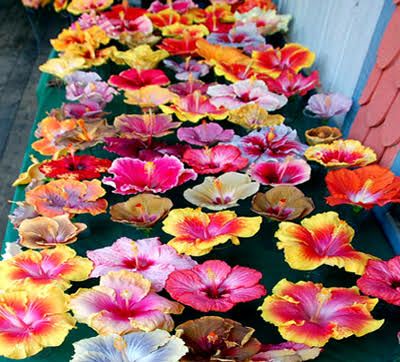
Growing up as a kid, we had a Hibiscus flower in our neighbor’s house. It was precious to us because the only flowers we had in our compound were the common Golden Duranta, some Cascabela thevetia, and some Allamanda. Whenever we had the opportunity to cut the precious Hibiscus flower, we maximized its use. We used it to cook pretend food, to decorate our friends’ hair (girls), and for children’s weddings.
At the sight of Hibiscus, it reminds me of so many things, including the time I tasted raw Hibiscus while preparing those children’s dishes.
Coming of age, I noticed that it was not only I and my friends who cherished Hibiscus flower or used it for various things. Hibiscus can be used for many purposes; it can be consumed in many forms such as tea, herbs, juice, and even to spice food. What a flower.
DID HE OR SHE CHOOSE YOU?
One thing some fail to understand is that this generation and the previous ones are not the same. A lot has changed; our culture has been influenced and diluted. So to survive these days, we must accept this fact. By doing so, we can define what we want and know how to get it.
The person you choose, did that person choose you, or did they choose another? Did you even choose that person, or do you think that marriageis something you have to do? Unlike the previous generation, for a marriage to survive in our generation, both parties must agree to make it work. You must choose, you have to choose.
One mistake people make these days is knowing what they want while dating but then choosing what is available when looking for someone to marry. Why? How will this kind of union last? Do you think what you desire doesn’t matter? Well, you will soon find out that it does. I pray you don’t find out the hard way. Doesn’t the thought that you were chosen because you were available and not because you were worth it piss you off?
WHY DO YOU WANT TO MAKE IT A BED OF ROSES THEN?
We all know that marriage is not a bed of roses, so why do we fight to make it a bed of roses?
It is not a bed of roses, but we can choose to make it a house of Hibiscus. Yes, we can make it a house of Hibiscus if we want, but to do this, both parties must agree. Praise Fowowe said in his interview at the Honest Bunch podcast, “What it takes to crash a marriage is for one person to choose not to make it work.”
One thing about the Hibiscus flower, which we discussed in the introduction, is that it can be used for different purposes and also comes in different colors. Even though we know what we want and what we are looking for, we should bear in mind that there are different dimensions to it. Choosing it means that we are willing to handle whatever nature it takes.
Hibiscus farmers don’t trash their flowers because they took on another color other than the one they desired. They continue to nurture it, knowing that even in that special color, they can still get what they want—the best.
Due to the beautiful nature of humans, no one can tell who we really are or all that we are capable of by just spending some months or years with us. Some abilities and actions take time and trials to reveal themselves. While some know what they want, others don’t, and it takes time to figure out.
For this reason, we must choose who we want, and among other reasons, it includes:
1.There will be no one to blame for our choice: No matter how mature an individual is, we always like to blame people or situations when things don’t go as planned, but if we made the choice, we will not blame anyone when things goes south.
2. We will face whatever comes out of our decision.
3.It will motivate us to fight for it: When we choose to do anything, consciously and unconsciously, we want to see that it works, if not for anything, to prove people wrong.
4.We will love it: Have you ever noticed that people love what they choose?
5.Etc.
Expecting your marriage to always be a bed of roses is like assuming your partner will always behave exactly as they did when you first started dating. It is only wickedness to think that someone will remain unchanged over the years or not react to different situations. Instead, we should ask ourselves, “Can I handle my partner’s changes and reactions?” After all, this relationship forms the foundation of your future and legacy, so it’s crucial to approach it wisely.
It’s unrealistic to expect your marriage to always be peaceful and perfect. Disagreements are a part of any relationship. Insisting that it must be a bed of roses will only lead to the downfall of your home instead of building it up. Choose someone whose changes you can handle and who allows you room to grow.
People tend to invest in, nurture, and build what they choose. Whoever is presented to you—by life, spiritual leader, matchmaker, family, and friends—as a life partner, make sure that in the end, you are the one that chooses your partner.
Study, observe to know if they are what you can handle until death do you part, to know if their actions and reactions is what you can handle forever. Divorce might be an option, but believe me, there is more to life than jumping from one house to another.













 The beauties of life & family